
 EN
 AR
 HR
 DA
 FR
 DE
 IT
 JA
 KO
 PL
 PT
 RU
 ES
 SV
 TL
 ID
 UK
 VI
 SQ
 TH
 TR
 MS
 GA
 BE
 IS
 HY
 EU
 LO
 LA
 MN
 NE
 TA
 MY
 NY
 KK
 SU
 TG
 UZ
 KY
 XH
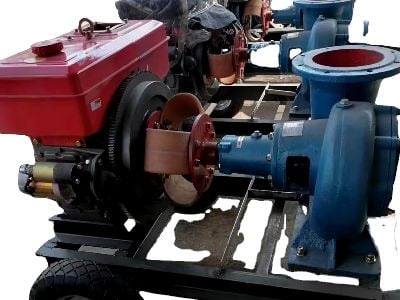
When selecting a diesel water pump, understanding engine power and flow rate requirements is crucial for ensuring optimal performance in your project. This article will delve into what buyers need to know about diesel water pumps, focusing on how to choose the right one based on power and flow rate, where to source them, and key considerations for making a purchase.
How to Choose the Right Diesel Water Pump for Your Project?
Choosing the right diesel water pump involves several factors that can affect the operational efficiency of your project. First, assess the specific requirements of your application, such as the intended use (irrigation, construction, drainage, etc.) and the environment in which the pump will operate.
Next, consider the power source; diesel engines typically provide greater torque and efficiency for heavy-duty applications compared to electric options. Evaluate the pump’s flow rate, which is usually measured in gallons per minute (GPM) or liters per minute (LPM). This specification indicates how much water the pump can move and is essential for ensuring that it meets the demands of your project.
Also, take into account the total dynamic head (TDH), which is the diesel water pump height that the pump must overcome, including elevation, friction losses, and other factors. This will help determine the power requirements of the diesel engine needed to drive the pump effectively.
Power and Flow Rate
Power and flow rate are interconnected when it comes to diesel water pumps. The power of the engine is typically measured in horsepower (HP) or kilowatts (kW), while the flow rate, as mentioned, is expressed in GPM or LPM.
A higher flow rate often requires a more powerful engine. For example, a pump designed for higher flow applications, such as large-scale irrigation or construction site dewatering, will typically demand a diesel engine with greater HP. Conversely, for smaller applications, a lower flow rate with a less powerful engine may suffice.
To match the engine power with the flow rate, look at the diesel water pumps pump’s performance curve, which illustrates how flow rate varies with different levels of engine power. Ensure that the chosen pump can maintain the necessary flow rate at the required TDH while operating efficiently within the engine power limits.
Where to Source Reliable Diesel Water Pumps for Wholesale Orders?
Sourcing reliable diesel water pumps requires careful consideration of manufacturers and suppliers. Start by identifying manufacturers with a proven track record in the industry. Companies like WETONG, with over 40 years of experience in producing a variety of pumps, can offer significant advantages in terms of product knowledge and reliability.
When looking for wholesale orders, assess suppliers based on their manufacturing capabilities and quality control processes. Certifications such as ISO standards can indicate a manufacturer’s commitment to quality. Additionally, inquire about the diesel water pump 4in supplier’s production capacity and lead times, especially if you are planning a large order.
Networking within industry trade shows and online platforms can also help you find reputable suppliers. Requesting samples or prototypes before committing to a large order is a prudent step to ensure that the product meets your specifications.
What Buyers Should Know?
Before purchasing a diesel water pump, buyers should gather specific information to ensure they make an informed decision. Key considerations include:
Specifications: Confirm the pump’s flow rate, engine power, and construction material. Stainless steel or cast iron options may offer different durability and corrosion resistance levels.
Customization: Determine if the pump can be customized to fit specific needs, such as unique flow rates or engine specifications.
Maintenance Requirements: Understand the maintenance needs of the pump, including routine checks and potential replacement parts.
Total Cost of Ownership: Consider not just the initial purchase price but also factors such as fuel efficiency, maintenance costs, and expected lifespan.
Warranty and Support: Look for suppliers that offer warranties and dependable post-purchase support.
By obtaining this information, buyers can better evaluate their options and make a purchase that aligns with their operational needs.
A Step-by-Step Approach
Define Project Requirements: Identify your specific application needs, including flow rate, head requirements, and operating environment.
Research Manufacturers: Look for manufacturers like WETONG that specialize in diesel water pumps and have extensive industry experience.
Request Specifications: Gather technical data sheets from suppliers and compare the specifications of various models.
Evaluate Performance Curves: Analyze the performance curves to ensure that the pump's capabilities match your project’s demands.
Obtain Quotes: Reach out to multiple suppliers for price quotes, keeping in mind factors such as MOQ (minimum order quantity) and lead time.
Review Samples: If possible, request samples to assess the pump’s quality and compatibility with your project requirements.
Finalize Order: Once satisfied with the selected pump and supplier, finalize your order and confirm delivery details.
Following this structured approach will help ensure that you select the right diesel water pump for your specific needs while minimizing potential complications during the purchasing process.