
 EN
 AR
 HR
 DA
 FR
 DE
 IT
 JA
 KO
 PL
 PT
 RU
 ES
 SV
 TL
 ID
 UK
 VI
 SQ
 TH
 TR
 MS
 GA
 BE
 IS
 HY
 EU
 LO
 LA
 MN
 NE
 TA
 MY
 NY
 KK
 SU
 TG
 UZ
 KY
 XH
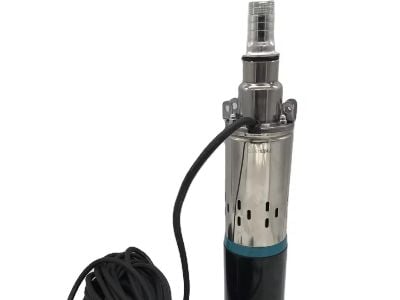
Sizing a diesel irrigation pump for large fields is a critical task that affects the efficiency of agricultural operations and overall water management. Buyers, including purchasing managers and engineers, often face concerns about performance, compatibility with existing systems, and long-term reliability. This article will guide you through the essential considerations for selecting the right diesel irrigation pump, focusing on key specifications, quality evaluation, installation guidance, common issues, and practical applications in large agricultural settings.
Key Specifications to Consider When Sizing Diesel Irrigation Pumps
When sizing a diesel irrigation pump, several specifications are crucial to ensure optimal performance.
Flow Rate: Measured in gallons per minute (GPM) or liters per second (L/s), this indicates the volume of water the pump can deliver. Understanding the required flow rate helps determine the pump's capacity to meet irrigation demands. For large fields, calculate the total area and the water requirement per acre to establish an appropriate flow rate.
Total Dynamic Head (TDH): This specification represents the total height that the pump must overcome to deliver water. It includes static lift (the vertical distance from the water source to the discharge point), friction losses in pipes, and any additional pressure needed at the discharge. Accurate TDH calculations ensure that the pump operates efficiently and delivers water at the desired pressure.
Power Requirements: Diesel pumps require specific horsepower ratings to operate effectively. Buyers must ensure that the pump's horsepower matches the engine's capacity to avoid underperformance or excessive wear. Additionally, consider fuel efficiency and the type of diesel engine utilized.
Pump Type: Choose between centrifugal and positive displacement pumps based on the application. Centrifugal pumps are suitable for high-flow, low-pressure applications, while positive displacement water pumping are better for high-pressure systems with lower flow requirements.
Material and Construction: The pump's materials, such as cast iron or stainless steel, influence its durability and resistance to corrosion. Select materials based on the water quality and the environmental conditions to prolong the pump's lifespan.
Evaluating the Quality of Diesel Irrigation Pumps for Wholesale Orders
Quality evaluation is paramount when sourcing diesel irrigation pumps for wholesale orders. Here are key factors to consider:
Manufacturer Reputation: Opt for manufacturers with a proven track record in the irrigation pump industry. Companies like WETONG, with over 40 years of experience, often have established quality control processes that ensure product reliability.
Certifications and Standards: Verify that the pumps meet relevant industry standards and certifications, which can indicate compliance with safety and performance benchmarks. This is vital for ensuring that the pump diesel can withstand rigorous operational demands.
Quality Control Processes: Assess the manufacturer's quality control measures, including testing protocols for performance, durability, and efficiency. Thorough inspection during production can help identify and rectify potential issues before the pumps reach the customer.
Warranty and Support: A robust warranty indicates the manufacturer's confidence in their product's quality. Additionally, consider the availability of technical support and service options, as these can be crucial for maintenance and troubleshooting.
Sample Approval: Before committing to a large order, request samples for evaluation. Testing these samples under actual operating conditions can provide insights into performance and compatibility with existing systems.
Installation Guidance for Diesel Irrigation Pumps in Large Fields
Proper installation of diesel irrigation pumps is essential for optimal performance. Here are steps to ensure a successful setup:
Site Preparation: Assess the installation site for accessibility and proximity to the water source. Ensure the area is level and stable, as uneven terrain can affect pump operation and longevity.
Piping Configuration: Design the piping layout to minimize friction losses. Use appropriately sized pipes that match the pump's specifications, and ensure all connections are secure to prevent leaks.
Electrical Connections: For electric start models, ensure that electrical connections comply with local regulations and are installed by a qualified electrician. Proper grounding and circuit protection are essential for safety.
Testing: After installation, conduct a test run to validate performance. Monitor flow rate, pressure, and any unusual noises. Address any issues immediately to prevent long-term damage.
Routine Maintenance: Establish a maintenance schedule that includes regular inspections, oil changes, and filter replacements. Routine maintenance ensures the pump operates efficiently and extends its service life.
Common Problems with Diesel Irrigation Pumps and Effective Solutions
Even the best-maintained diesel irrigation pumps can encounter issues. Here are common problems and their solutions:
Overheating: This can occur due to insufficient lubrication or excessive load. Ensure that the oil levels are adequate and that the pump is not running beyond its rated capacity. Regularly check and replace oil as needed.
Low Flow Rate: A drop in flow rate may indicate blockages in the intake line or worn impellers. Inspect the intake for debris and clean or replace components as necessary.
Vibration and Noise: Excessive vibration can signal misalignment or worn bearings. Regularly inspect and align the water pumping pump and motor, and replace worn parts to prevent further damage.
Fuel Issues: Contaminated fuel can lead to operational failures. Ensure that the fuel supply is clean and filtered, and consider using additives to maintain fuel quality.
Starting Problems: If the engine fails to start, check the battery charge and electrical connections. Ensure that the starter motor and fuel lines are functioning correctly.
Applications of Diesel Irrigation Pumps in Large Agricultural Fields
Diesel irrigation pumps play a pivotal role in various agricultural applications. Their versatility enables effective water management for large-scale farming, including:
Crop Irrigation: Efficiently irrigating crops in large fields ensures optimal growth and yield. Diesel pumps can handle varying flow rates based on seasonal water requirements, adapting to different crops and soil types.
Fertigation: These pumps can be used for fertigation, where fertilizers are mixed with irrigation water. This method enhances nutrient delivery directly to the plants, improving overall crop health.
Water Transfer: Diesel irrigation pumps are also utilized for transferring water from reservoirs or wells to irrigation systems. Their powerful engines can manage significant distances and elevation changes, making them suitable for larger operations.
Drainage: In regions with excess rainfall, diesel pumps can assist in draining fields to prevent waterlogging, thereby protecting crop health and soil structure.
Emergency Backup: During power outages or mechanical failures of electric pumps, diesel irrigation pumps can serve as a reliable backup, ensuring continuous water supply.
By understanding these aspects of diesel irrigation pumps, B2B buyers can make informed purchasing decisions, ultimately enhancing agricultural productivity and resource management in large fields.
Table of Contents
- Key Specifications to Consider When Sizing Diesel Irrigation Pumps
- Evaluating the Quality of Diesel Irrigation Pumps for Wholesale Orders
- Installation Guidance for Diesel Irrigation Pumps in Large Fields
- Common Problems with Diesel Irrigation Pumps and Effective Solutions
- Applications of Diesel Irrigation Pumps in Large Agricultural Fields