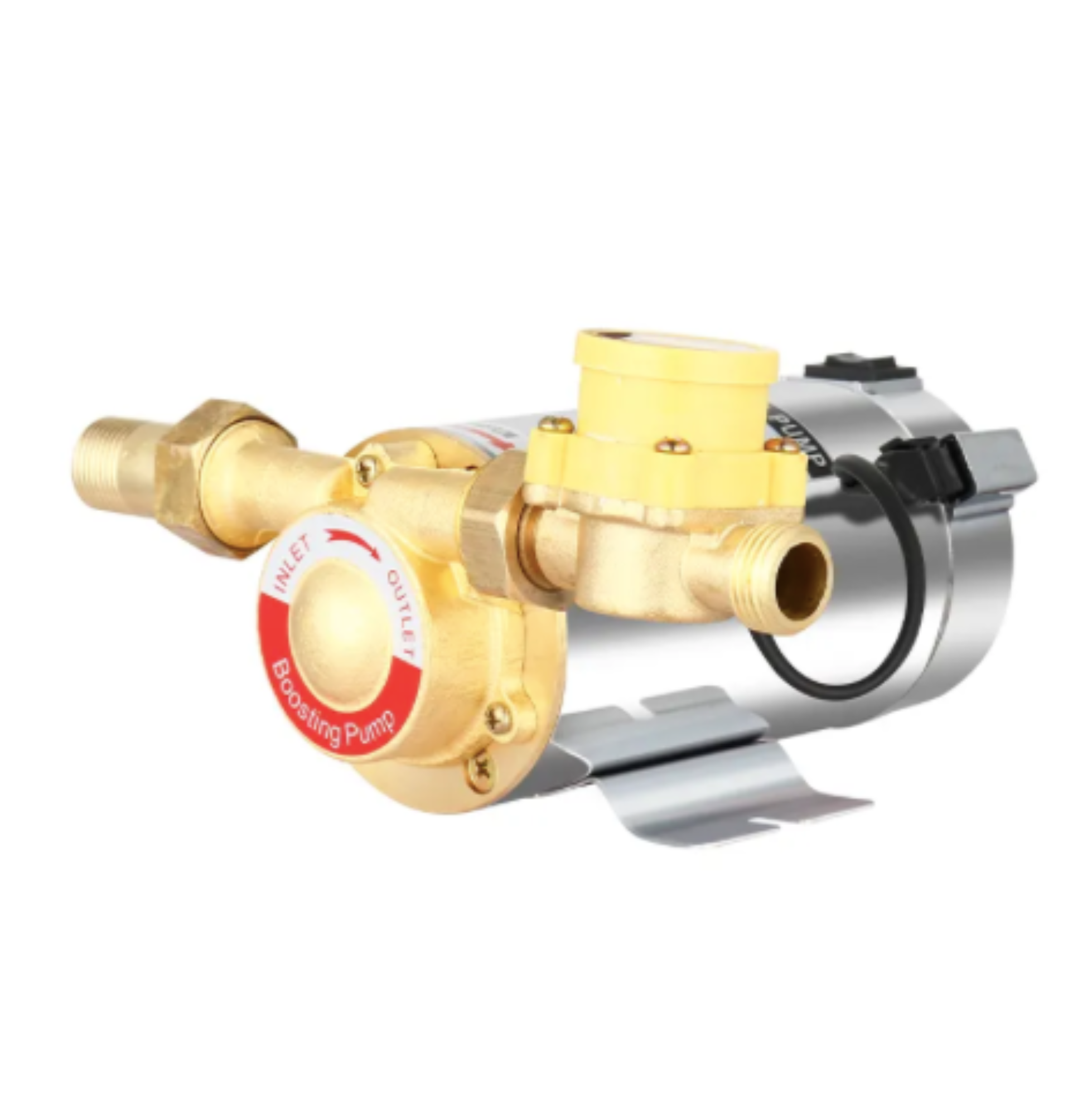
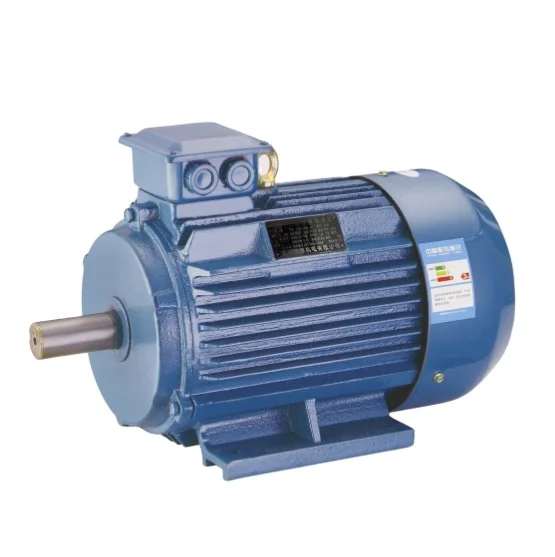
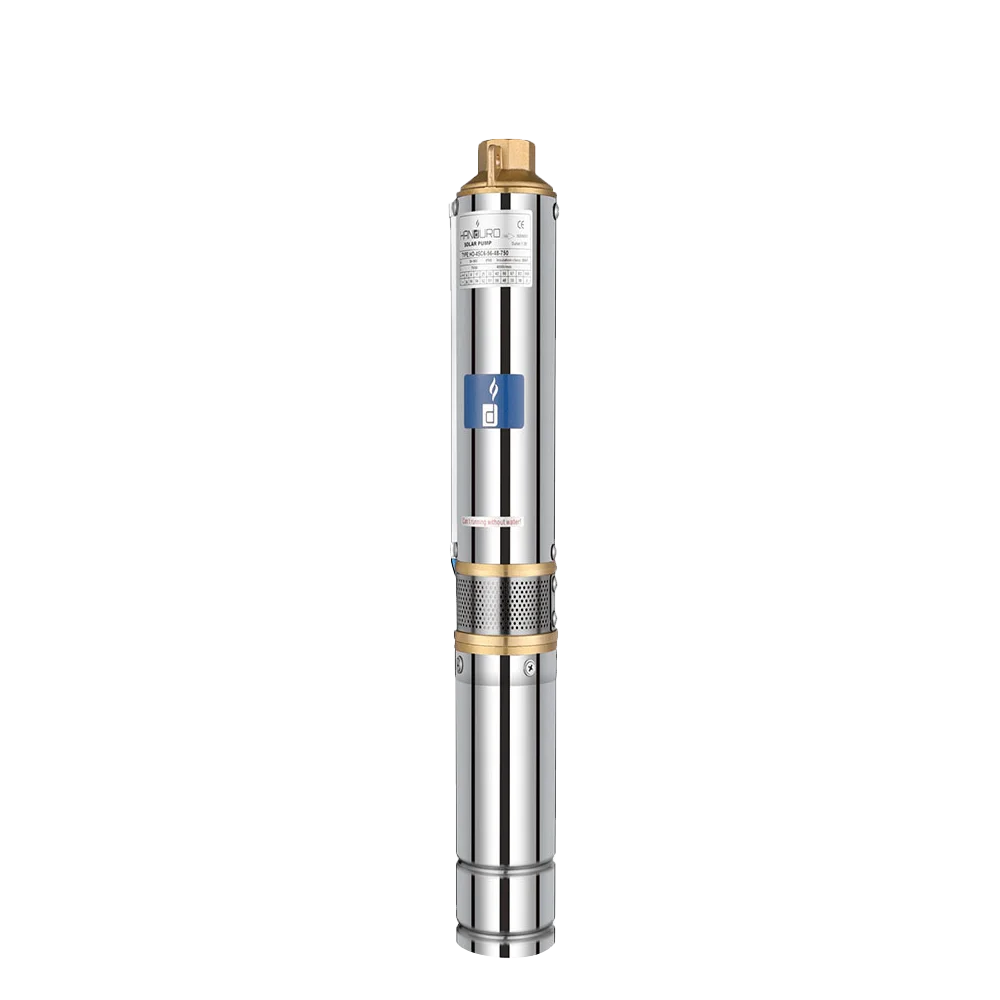
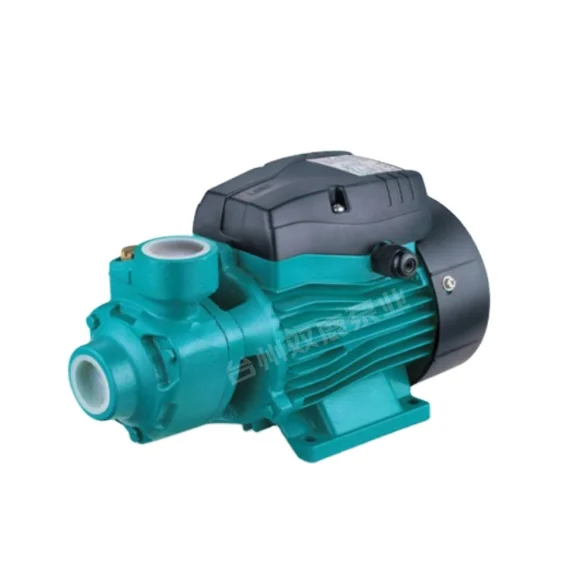
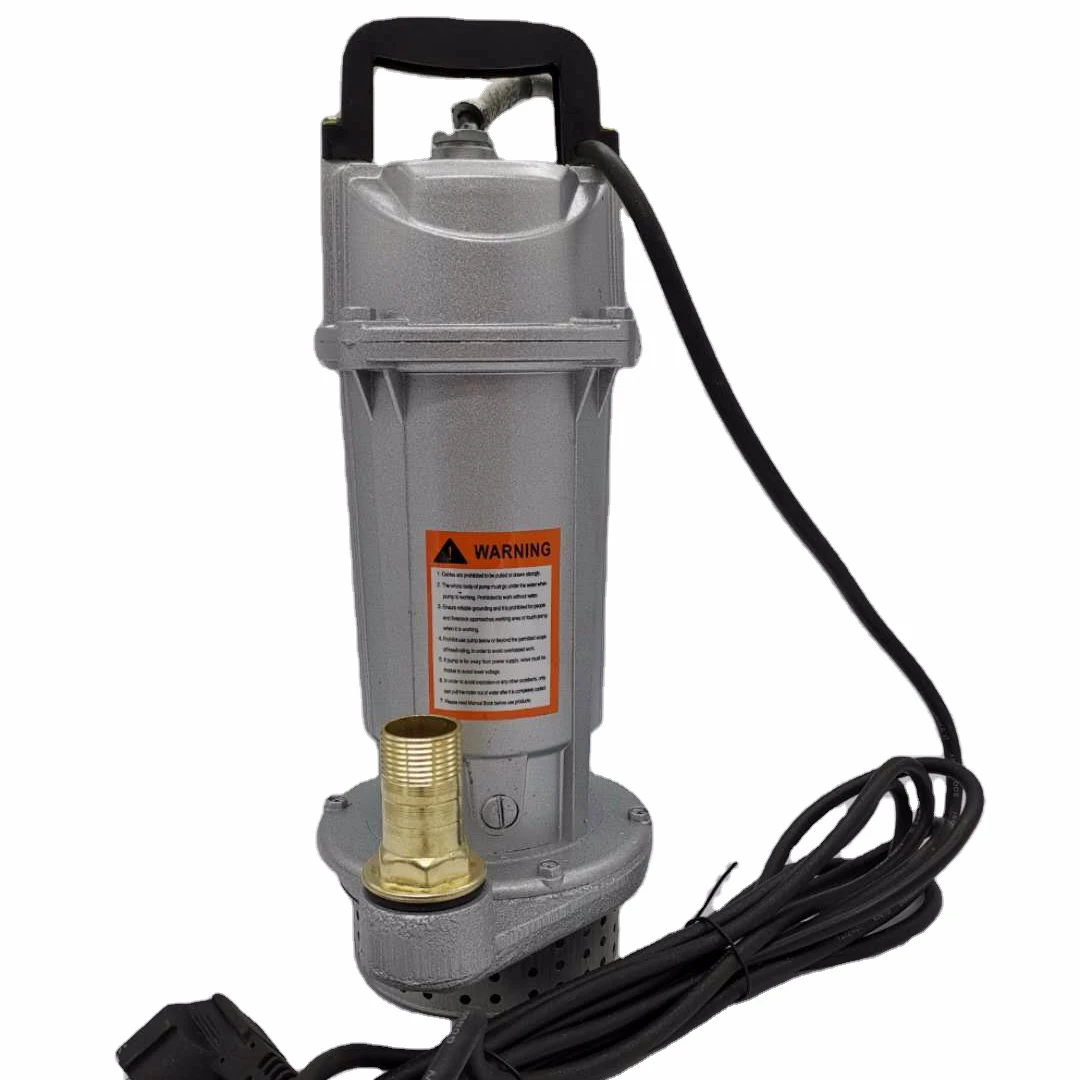
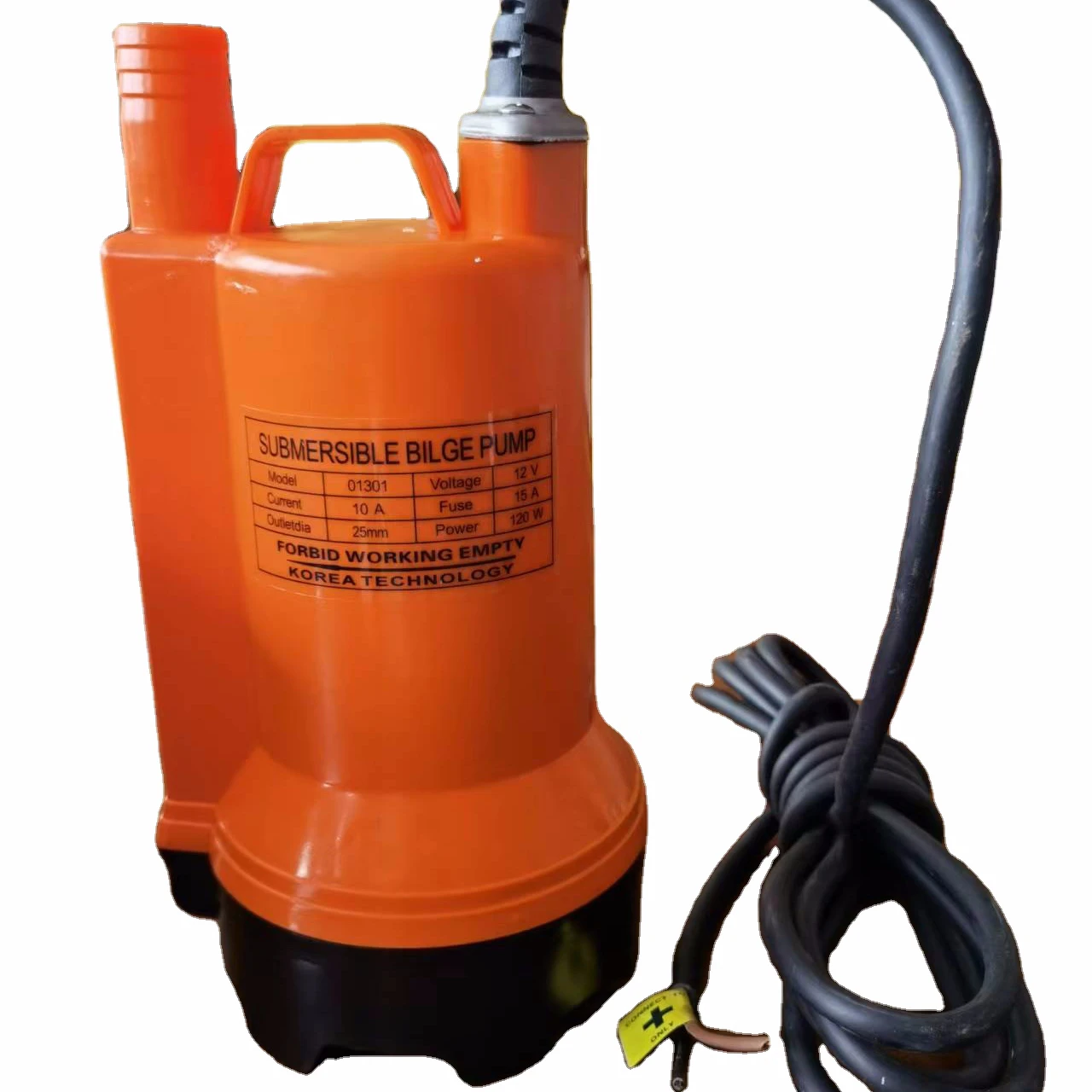
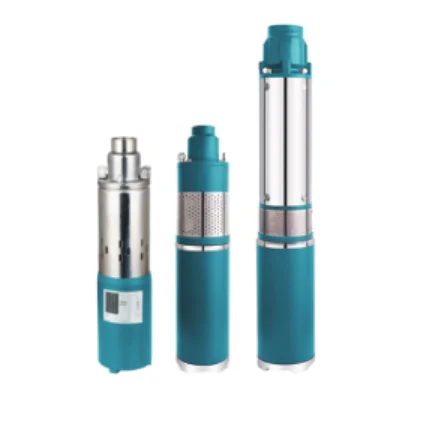
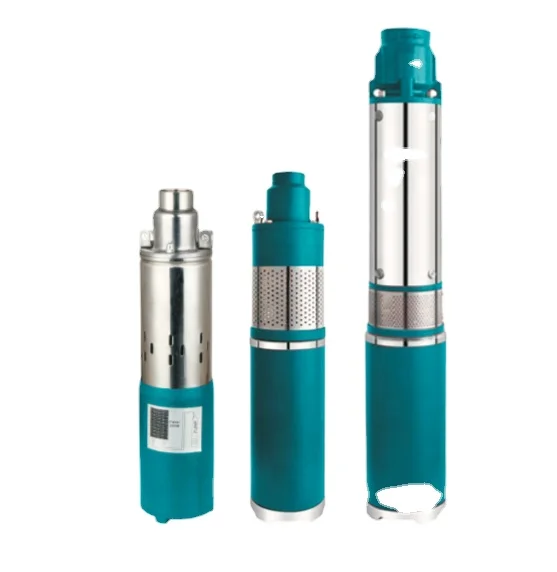
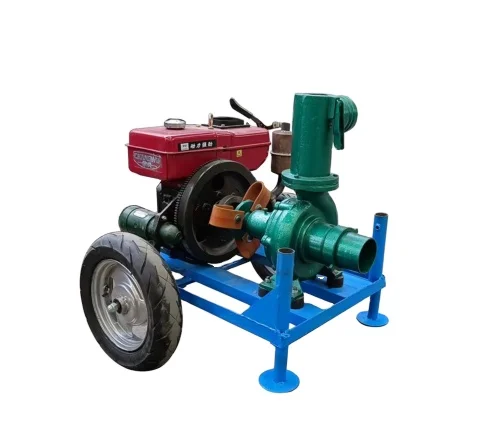
Submersible well pumps have an important role to play - they’re responsible for bringing water up from underground so that we can use it for drinking, cleaning and other needs. These pumps are comprised of various components that all work together to ensure that water can move seamlessly from the well to where we need it.
A submersible well pump And its principal part is a motor that’s the most important part of pump and helps pump the water up. This motor is so well sealed against water that it can operate properly under water! The pump also has impellers, which are small fans that further push the water up to the surface. Impellers whirl around fast to generate pressure and push the water along.
A great feature of a submersible well pump is that it does a very efficient job of getting water up from deep underground. Since they are immersed in water, there is less risk of water leaking or losing pressure as it travels up to the surface. That means that submersible well pumps can move faster and more efficiently to get our water where we need it.
Submersible well pumps provide several advantages when it comes to extracting water from a well. Among other things, these pumps can accommodate a variety of water depths and flow rates. What does this mean for you? Well, depending on how deep or how much water you need, a submersible well pump is capable of handling the job.
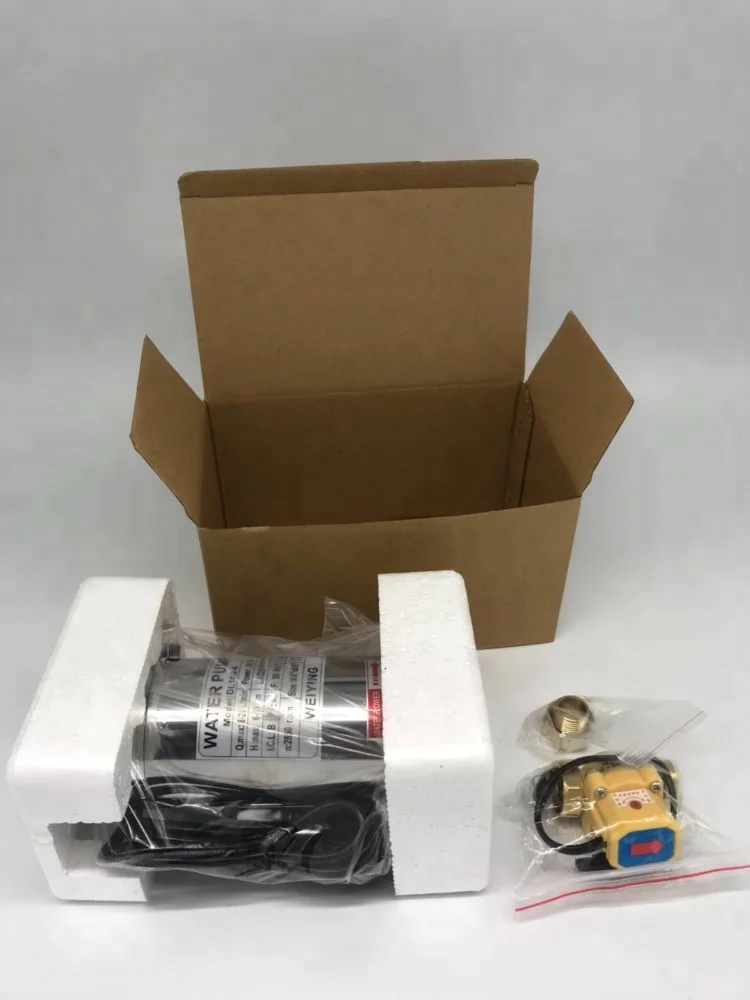
One other advantage of a submersible well pump is the cost as it is usually less expensive than other varieties of well pumps. Since these pumps are so efficient and don’t need much maintenance, they can end up saving you money on electricity and repairs in the long run. This can make them an intelligent investment for those who want to maximize the value of their well water.
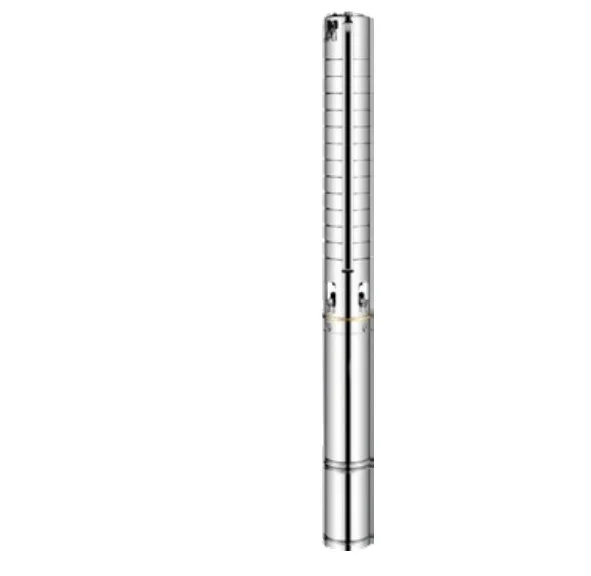
Now that you’ve selected and installed your submersible well pump, you’ll need to perform regular maintenance to ensure the pump remains in proper working order. An important item on your maintenance list: Be sure to inspect that pump for wear or damage on a regular basis. That way you can catch any potential problems earlier, before they grow into bigger issues.
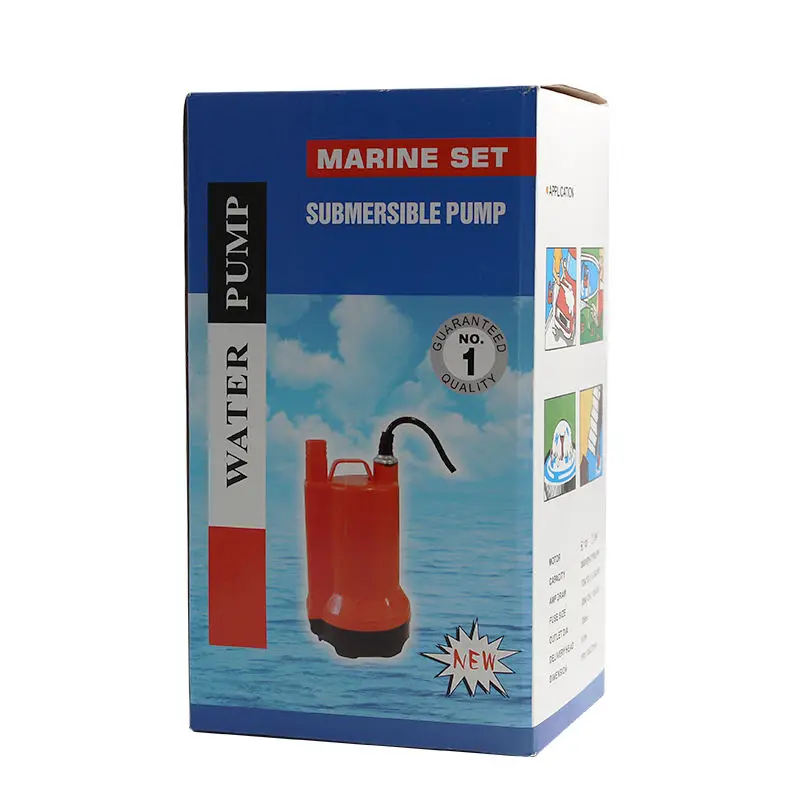
You’ll also want to check to ensure the pump is clean and free of debris, which could potentially clog the impellers and slow water. If you keep the pump and the support material clean, you may have a smoother and more efficient running system. Off-site suggestions.” And it's always a good idea to have the pump tested regularly to ensure it's all good.
WETONG more 30 years experience industry pioneer when comes professional pumping solutions we've embraced most recent international pump technologies ensure knowledge backed experience pump parts compatible top international brands who well-known dependability compatibility dedication quality helped become submersible well pumps global pumps industry
WETONG's team is made up of specialists with a wealth of expertise in international markets Our standards for production are stringent since we follow strict guidelines We are aware of the demanding requirements of our customers We ensure that each pump is subject to strict inspections to ensure it meets the most submersible well pumps This is our dedication to providing top-notch products
WETONG utilizes submersible well pumps low-cost labor and uses a high-efficiency streamlined management system This strategic approach allows us to minimize production expenses without compromising on quality We give our customers the most competitive prices in the market and guarantee exceptional value and affordable prices
we're dedicated to offering our customers a comprehensive after-sales system we keep an inventory for the majority of our submersible well pumps to ensure prompt delivery consultations on technical issues replacement of components as well as other professional services form part of our after-sales service the robust support system guarantees our customers receive ongoing and reliable help further proving our commitment to being a trusted one-stop-shop solution provider

Founded in 1982, WETONG located in Daxi town, Wenling city, Zhejiang province, the country of water pump and motors in China, we are professional company witch is specialized in deep well pumps, submersible pume, surface pump, marine pump, booster pump, car washer machine and motors.
No. 5, Yuying Road, Daxi Town, Taizhou, Zhejiang, China
Copyright © WENLING WEIYING EXPORT AND IMPORT CO.LTD. All Rights Reserved Privacy Policy Blog

 EN
EN
 AR
AR
 HR
HR
 DA
DA
 FR
FR
 DE
DE
 IT
IT
 JA
JA
 KO
KO
 PL
PL
 PT
PT
 RU
RU
 ES
ES
 SV
SV
 TL
TL
 ID
ID
 UK
UK
 VI
VI
 SQ
SQ
 TH
TH
 TR
TR
 MS
MS
 GA
GA
 BE
BE
 IS
IS
 HY
HY
 EU
EU
 LO
LO
 LA
LA
 MN
MN
 NE
NE
 TA
TA
 MY
MY
 NY
NY
 KK
KK
 SU
SU
 TG
TG
 UZ
UZ
 KY
KY
 XH
XH