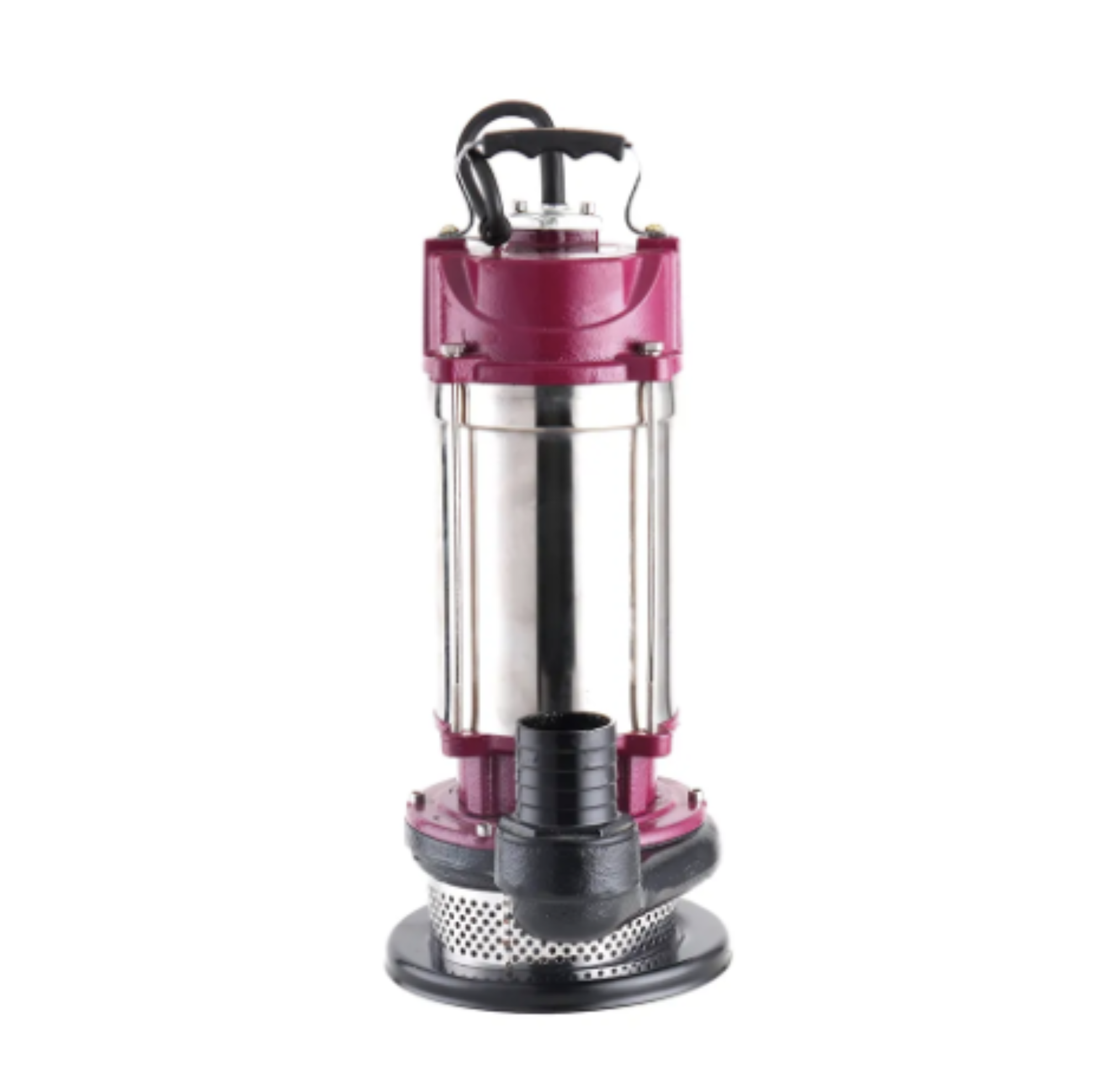
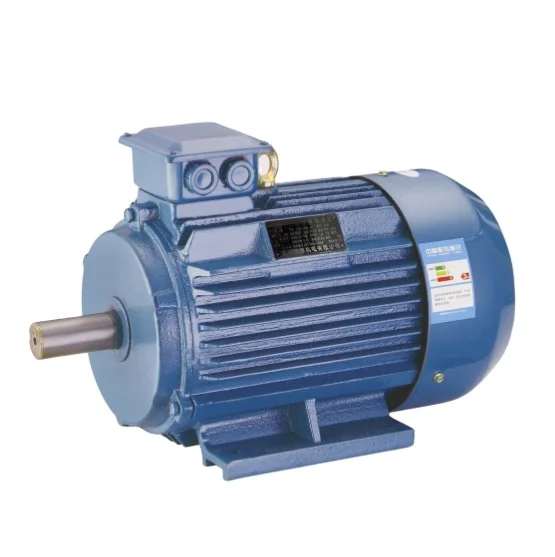
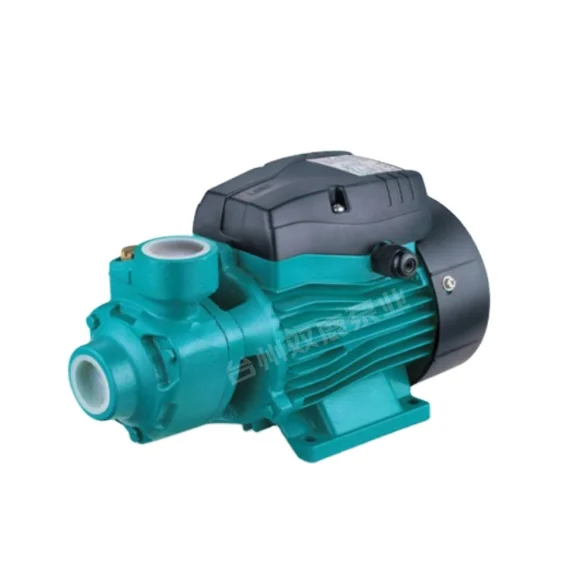
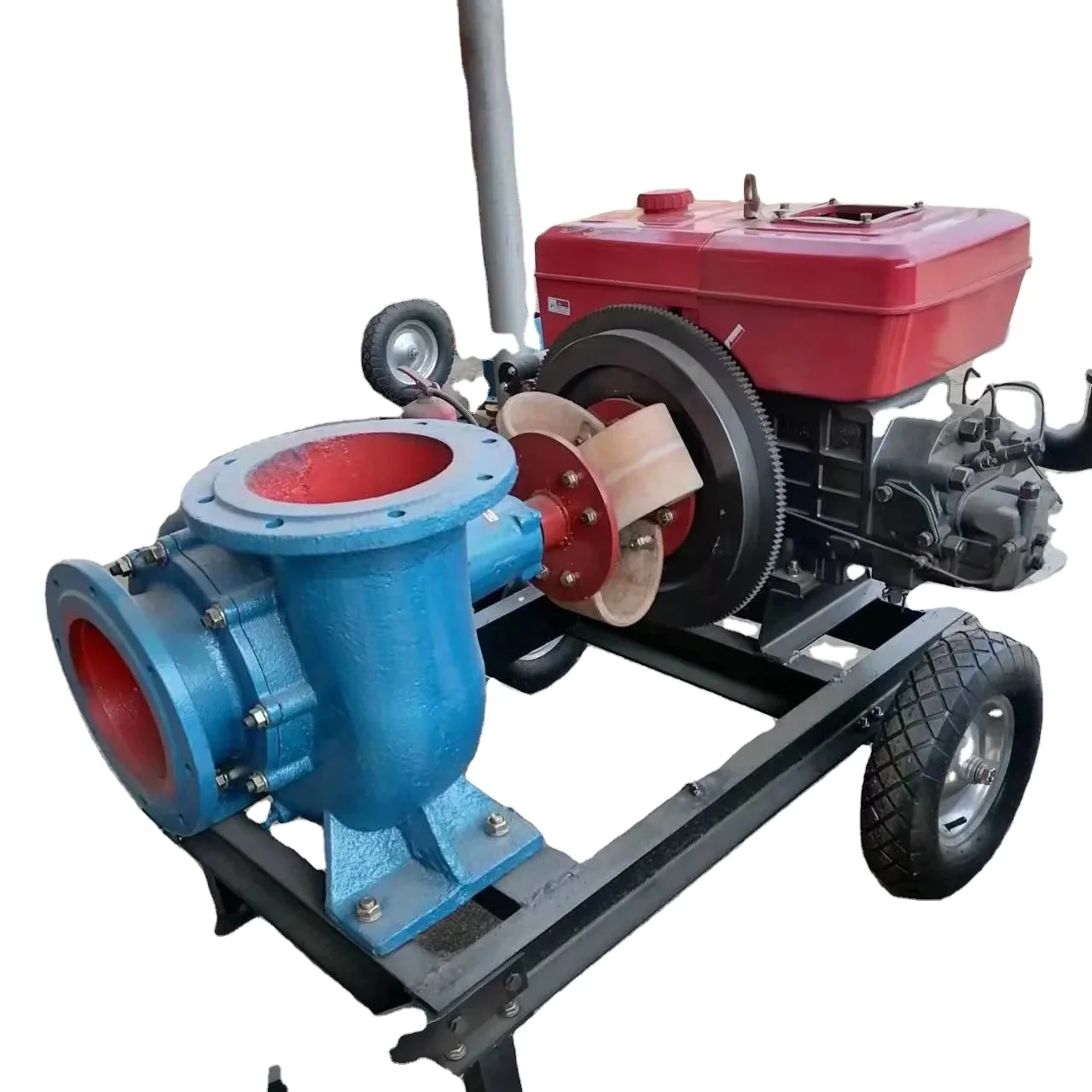
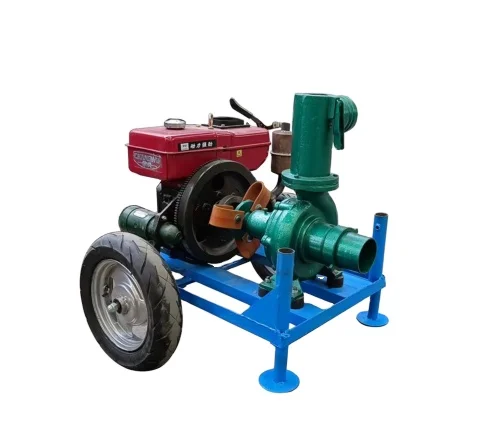
Important components of water systems are pump impellers. They’re necessary for effectively getting the water moving and operating system. In this post, we’re going to cover how pump impellers work, the role they play and how to properly maintain them.
The pump impeller is essentially a superhero for water systems. It revolves very rapidly and forms a whirlpool that drives water down pipes and hoses. This is one of the things that helps the water move: So that it will go from one place to another place, say from a well into a house. Your pump impeller moves it so that water does not “sit” in some specific spot.
When a pump impeller is spinning it is producing something called centrifugal force. This force cause the water to flow outwards, to the edge of the impeller. As the water is pushed out, more water is pulled in from the middle of the impeller. This creates a flow of water in a steady circle, like an endless merry-go-round. The faster it spins, the more water the impeller can pull.
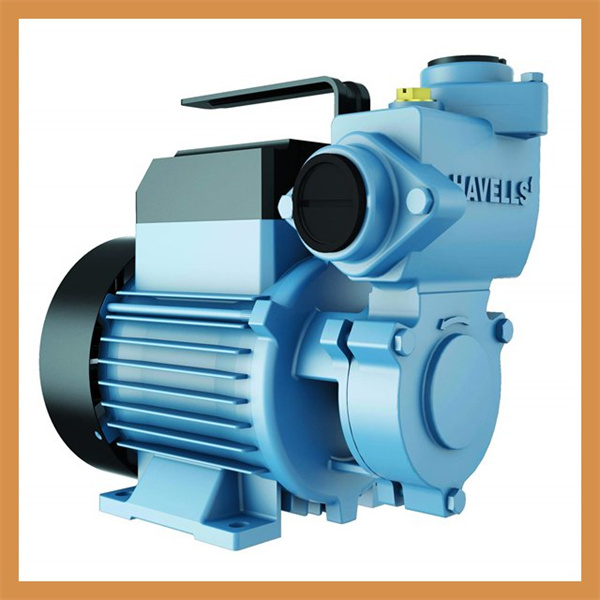
There are good impellers and bad impellers. Various designs may be better suited for moving water, depending on the job they need to perform.” Some impellers have large, curved blades that move a great deal of water at a time, yet others have small blades that move water more gently. Selecting the proper impeller design for a particular job can make a pump work better and save energy.
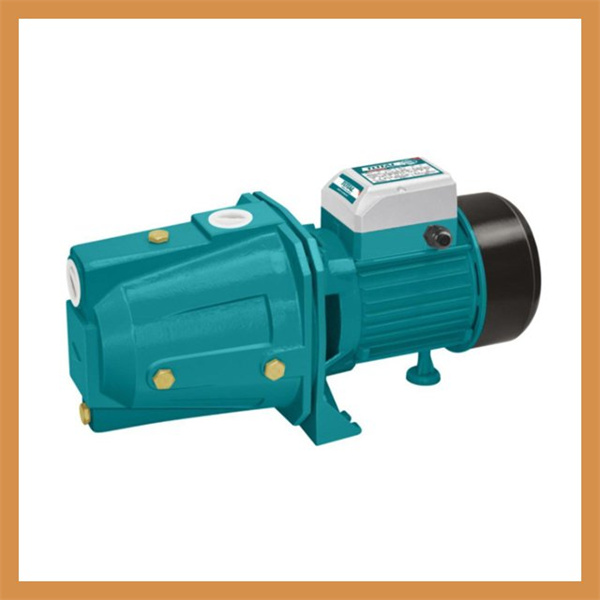
Pump Impellers: Pump impellers are usually made of plastic, stainless steel or bronze. Each has its own pros and cons. Plastic impellers are light and corrosion-resistant, but they are easy to break. Impellers made of stainless steel are strong and long lasting, though they can be heavy and priced higher. For the impellers, bronze is a nice compromise in that it's both strong and won't corrode. Picking the right material for an impeller can help it last longer and perform better.
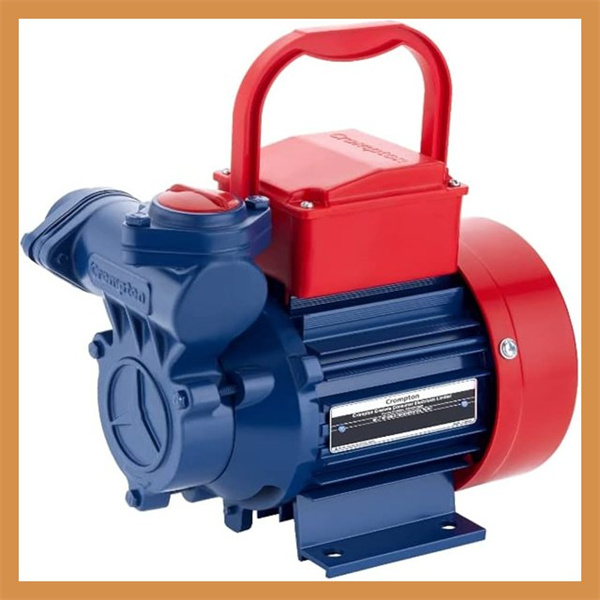
As with any machinery, if you want your pump impellers to keep working properly, you have to perform regular maintenance on them. This means regularly cleaning them, inspecting them for signs of wear and making replacements as and when necessary. Typical problems associated with pump impellers include clogging resulting from debris, leaks due to worn seals, and induced vibration owing to misalignment. By watching over these issues and preventing them in real time, pump impellers can continue to work efficiently for many years.
WETONG pump impeller advantage of China’s low-cost labor and utilizes an efficient and effective management system This approach helps us to reduce production costs without sacrificing quality This means that we give our customers the most competitive prices in the marketplace with unbeatable value and affordability
With than three decades experience field WETONG pump impeller providing expert pumping solutions knowledge supported use cutting-edge international pump technology pump parts compatible top international brands have good reputation reliability compatibility dedication quality helped become trusted partner global market pumps
the WETONG team is composed of seasoned professionals with a wealth of experience on the world market we are pump impeller of the demanding requirements of our clients and adhere to rigorous production guidelines to ensure that we meet these quality standards every pump is subject to rigorous quality-control procedures to make sure it is of the highest standard benchmarks reflecting our dedication to delivering top-notch products
we're committed to offering our customers a comprehensive after-sales system we maintain an inventory of most of our pumps to ensure pump impeller our expert after-sales service includes technical consultations component replacements and many more this robust support system ensures our customers receive ongoing and reliable assistance which reinforces our mission to be an unbeatable one-stop solution provider

Founded in 1982, WETONG located in Daxi town, Wenling city, Zhejiang province, the country of water pump and motors in China, we are professional company witch is specialized in deep well pumps, submersible pume, surface pump, marine pump, booster pump, car washer machine and motors.
No. 5, Yuying Road, Daxi Town, Taizhou, Zhejiang, China
Copyright © WENLING WEIYING EXPORT AND IMPORT CO.LTD. All Rights Reserved Privacy Policy Blog

 EN
EN
 AR
AR
 HR
HR
 DA
DA
 FR
FR
 DE
DE
 IT
IT
 JA
JA
 KO
KO
 PL
PL
 PT
PT
 RU
RU
 ES
ES
 SV
SV
 TL
TL
 ID
ID
 UK
UK
 VI
VI
 SQ
SQ
 TH
TH
 TR
TR
 MS
MS
 GA
GA
 BE
BE
 IS
IS
 HY
HY
 EU
EU
 LO
LO
 LA
LA
 MN
MN
 NE
NE
 TA
TA
 MY
MY
 NY
NY
 KK
KK
 SU
SU
 TG
TG
 UZ
UZ
 KY
KY
 XH
XH