
 EN
 AR
 HR
 DA
 FR
 DE
 IT
 JA
 KO
 PL
 PT
 RU
 ES
 SV
 TL
 ID
 UK
 VI
 SQ
 TH
 TR
 MS
 GA
 BE
 IS
 HY
 EU
 LO
 LA
 MN
 NE
 TA
 MY
 NY
 KK
 SU
 TG
 UZ
 KY
 XH
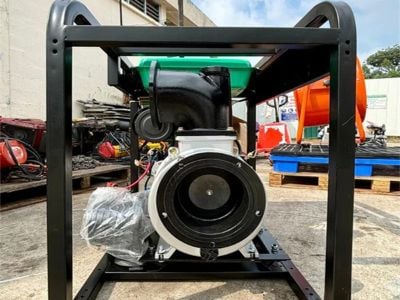
Calculating irrigation pump flow requirements is crucial for ensuring efficient water delivery to crops or landscapes. This process involves understanding the specific needs of the irrigation system, including the area to be irrigated, the type of crops, and the desired application rate. For B2B buyers such as purchasing managers, engineers, and product managers having a clear grasp of how to calculate these requirements helps in making informed decisions about pump selection, ensuring optimal performance and cost-effectiveness. This article will provide guidance on how to determine your pump irrigation flow requirements, where to source reliable irrigation pumps, and key factors to consider throughout the procurement process.
How to Determine Your Irrigation Pump Flow Requirements Effectively
To accurately calculate your irrigation pump flow requirements, start by determining the area to be irrigated and the specific crop needs. Measure the total area in acres or square feet and consider the application rate, which is typically expressed in gallons per minute (GPM) or liters per second (L/s). The application rate will depend on the crop type and the irrigation method being used.
Calculate the Total Flow Rate Needed: Multiply the area of your irrigation zone by the desired application rate. For example, if you have a 10-acre field and require 2 inches of water per week, you can convert that to GPM to find your total flow rate needed.
Adjust for Efficiency: Incorporate the efficiency of your irrigation system. Different systems (drip, sprinkler, etc.) have varying efficiencies, often between 60% to 90%. Adjust your flow rate accordingly to account for these efficiencies.
Consider Elevation Changes: If your irrigation system must pump water uphill, account for the elevation gain, which may require additional flow capacity to overcome the gravitational pull.
Understanding these components not only aids in selecting the right irrigation pump but also in optimizing water usage, thereby reducing overall operational costs.
Where to Source Reliable Irrigation Pumps for Bulk Orders
When sourcing irrigation pumps for bulk orders, it’s essential to partner with a reputable manufacturer who can meet your specific requirements. Look for manufacturers with a proven track record in the industry, such as WETONG, which has over 40 years of experience in producing high-quality water pumps. Here are some steps to consider when sourcing:
Evaluate Manufacturer Capabilities: Assess the manufacturer’s production capabilities, including their range of pump models (such as deep well, submersible, and marine pumps) and customization options. Ensure they can provide the specifications that align with your irrigation needs.
Check Certifications and Quality Standards: Verify that the manufacturer adheres to industry standards and certifications. This can provide assurance regarding the quality and reliability of the agriculture irrigation pump.
Request Samples: Before committing to a bulk order, request samples to evaluate the pump’s performance in real-world conditions. This helps ensure that the product meets your specifications and expectations.
Consider Lead Times and Minimum Order Quantities (MOQs): Discuss lead times for production and any minimum order quantities required. This information is critical for planning your irrigation projects effectively.
Key Factors to Evaluate
Several key factors should guide your evaluation of irrigation pumps:
Flow Rate: Ensure that the pump can deliver the required flow rate based on your calculations.
Pressure Requirements: Assess the pressure needed to deliver water to the furthest point in your irrigation system. This is especially important for larger fields or uneven terrains.
Material Durability: The materials used in the pump construction should withstand the environmental conditions they will face, including exposure to chemicals, sediment, and temperature variations.
Energy Efficiency: Consider the energy consumption of the pump. More efficient pumps can lead to significant cost savings over time.
Maintenance Needs: Evaluate the maintenance requirements of the pumps. Opt for models that allow for easy access to parts for servicing or repairs.
By carefully assessing these factors, you can select an irrigation pump that not only meets your immediate needs but also offers long-term reliability and efficiency.
Understanding the Cost Factors in Irrigation Pump Procurement
Cost is a significant consideration in irrigation pump procurement. Understanding the various factors that contribute to the overall cost can help you make strategic purchasing decisions. Key factors include:
Initial Purchase Price: The upfront cost of the pump varies based on type, size, and manufacturer. While lower-priced pumps may seem attractive, consider their long-term performance and reliability.
Installation Costs: Factor in the costs associated with installing the pump, including labor and any necessary modifications to your irrigation system.
Operational Costs: Assess the energy consumption and maintenance costs over the pump's lifespan. Higher efficiency pumps may have a higher initial cost but could result in lower operational expenses.
Replacement Parts: Investigate the availability and cost of replacement parts. Pumps that require frequent repairs or hard-to-find components can lead to increased downtime and costs.
Warranty and Support: Consider the warranty period and support offered by the manufacturer. A robust warranty can save costs related to repairs and replacements.
By analyzing these cost factors, you can identify pumps that offer the best value over time rather than simply opting for the lowest initial purchase price.
Installation Guidance for Efficient Irrigation Pump Systems
Proper installation of your irrigation pump is crucial for optimal performance. Here are some key installation tips:
Site Preparation: Ensure that the installation site is adequately prepared, including a stable base that can support the pump and provide easy access for maintenance.
Follow Manufacturer Guidelines: Adhere to the installation guidelines provided by the manufacturer. These guidelines will typically cover aspects such as pump placement, pipe connections, and electrical requirements.
Test the System: After installation, conduct tests to ensure the pump operates effectively under load. Check for leaks, proper pressure, and flow rates.
Regular Maintenance Schedule: Establish a regular maintenance schedule to check the pump and the irrigation system. This can help identify potential issues before they escalate, ensuring continuous operation throughout the irrigation season.
Train Staff on Operation: Ensure that all staff involved in the irrigation system are trained on how to operate the pump correctly, including safety protocols and troubleshooting for common issues.
By following these installation guidelines, you can enhance the efficiency and longevity of your irrigation pump system, ensuring reliable water delivery for your agricultural or landscaping needs.