
 EN
 AR
 HR
 DA
 FR
 DE
 IT
 JA
 KO
 PL
 PT
 RU
 ES
 SV
 TL
 ID
 UK
 VI
 SQ
 TH
 TR
 MS
 GA
 BE
 IS
 HY
 EU
 LO
 LA
 MN
 NE
 TA
 MY
 NY
 KK
 SU
 TG
 UZ
 KY
 XH
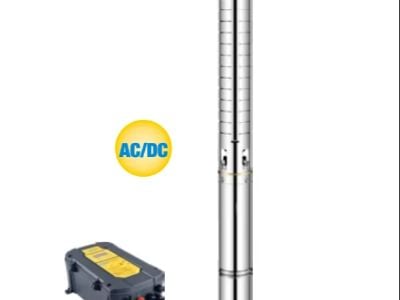
Irrigation pumps are essential components in agricultural operations, ensuring efficient water delivery for crops. For agricultural equipment distributors, finding reliable irrigation pump suppliers is critical to meet the diverse needs of their customers. This article will help purchasing managers and distributors navigate the complexities of sourcing high-quality irrigation pumps, covering essential topics such as evaluating specifications, addressing common issues, understanding cost factors, identifying trusted suppliers, and recognizing the material advantages of quality pumps.
Evaluating Quality Specifications of Irrigation Pumps for Bulk Orders
When sourcing irrigation pumps, understanding the specifications is crucial to ensure they meet the operational demands of specific agricultural applications. Key specifications include flow rate, pressure rating, and power requirements.
Flow Rate: This measures how much water the pump can deliver per minute and is vital for matching the pump to the irrigation system’s needs. A pump with insufficient flow may lead to inadequate watering, while an oversized pump can increase energy costs and cause system damage.
Pressure Rating: This indicates the maximum pressure the water pumping can generate, impacting its ability to deliver water over long distances or to elevated areas. Distributors should ensure that the pressure rating aligns with the operational requirements of the irrigation system.
Power Requirements: Understanding the power source (electric, diesel, or solar) is essential. Different agricultural setups may have varying energy availability, influencing the choice of pump.
It’s advisable to request detailed technical data sheets from suppliers, allowing for better comparison of specifications and performance under specific conditions.
Common Problems with Irrigation Pumps and Effective Solutions
Irrigation pumps can encounter various issues that affect their performance and lifespan. Understanding these problems can help distributors provide informed solutions to their customers.
Cavitation: This occurs when there is inadequate pressure, causing bubbles to form in the pump. These bubbles can collapse and damage the pump. To mitigate this, ensure that the installation site has sufficient inlet pressure and that the pump is selected based on the specific system requirements.
Clogging: Debris and sediment can clog filters and impellers, leading to reduced efficiency. Regular maintenance and the installation of pre-filters can help prevent clogging. Educating customers on routine maintenance schedules can enhance pump diesel longevity.
Seal Failure: Over time, seals can wear out, leading to leaks and loss of efficiency. Choosing pumps with high-quality seals and offering warranties can reassure buyers regarding durability.
By proactively addressing these common issues, distributors can enhance customer satisfaction and build long-term relationships.
Cost Factors to Consider When Sourcing Irrigation Pumps Wholesale
Understanding the cost factors associated with irrigation pumps is vital for distributors aiming to offer competitive pricing while ensuring quality. Several elements influence the overall cost:
Material Quality: Pumps made from corrosion-resistant materials such as stainless steel tend to be more expensive but offer longer service life, particularly in harsh environments. Distributors should weigh initial costs against long-term savings from reduced maintenance and replacement needs.
Customization Options: Customized pumps tailored to specific agricultural applications may incur additional costs. However, these pumps often provide better performance and efficiency, justifying the investment.
Volume Discounts: Purchasing in bulk can lead to significant savings. Distributors should negotiate with suppliers for better rates on larger orders, factoring in transportation and handling costs as part of the total expense.
Operational Costs: Consider the energy efficiency of the water pumping pump, as this will impact long-term operational costs. A pump with a higher initial purchase price but lower energy consumption may be more cost-effective over time.
By analyzing these factors, agricultural equipment distributors can make informed decisions that balance upfront costs with operational efficiency.
Where to Find Trusted Suppliers for Agricultural Pump Equipment?
Finding reliable irrigation pump suppliers is essential for distributors. Here are several strategies to identify trusted partners:
Industry Associations: Joining agricultural and manufacturing associations can provide access to a network of reputable suppliers. These organizations often have directories or resources that list certified manufacturers.
Trade Shows and Expos: Attending industry trade shows allows distributors to meet suppliers, see products firsthand, and discuss specifications directly. This personal interaction can foster trust and facilitate better negotiations.
Online Marketplaces and Reviews: Researching suppliers through online platforms can yield valuable insights. Look for reviews and ratings to gauge supplier reliability and product quality. Engaging with other distributors can provide recommendations based on their experiences.
Certification and Compliance: Ensure that potential suppliers adhere to industry standards and possess relevant certifications. This can serve as a quality assurance measure, reinforcing their credibility as a supplier.
Building relationships with trusted suppliers can lead to better pricing, consistent product availability, and improved support.
Material Advantages of High-Quality Irrigation Pumps Explained
The material used in the construction of irrigation pumps significantly impacts their performance and durability. Here are key material advantages to consider:
Corrosion Resistance: Pumps made from stainless steel or high-grade plastics are more resistant to corrosion, making them ideal for use in varied water conditions. This can extend the lifespan of the pump and reduce maintenance costs.
Weight and Durability: Materials like cast iron are robust but can add significant weight. While this can enhance stability, it may complicate installation. Understanding the balance between weight and durability is essential for specific applications.
Thermal Stability: Pumps used in environments with extreme temperatures should be made from materials that can withstand these conditions without degrading. Selecting the appropriate material based on the operating environment can prevent premature failure.
Cost-Effectiveness: While higher-quality materials may come at a premium, the long-term savings in maintenance and replacement costs can justify the initial investment. Distributors should educate customers on the benefits of investing in high-quality materials for their irrigation pumps.
By recognizing the advantages of different materials, agricultural equipment distributors can better advise their customers on the most suitable options for their specific irrigation needs. In summary, understanding the specifications, common issues, cost factors, supplier strategies, and material advantages associated with irrigation pumps can empower distributors to make informed purchasing decisions. By focusing on these aspects, distributors can enhance their product offerings and ultimately support the agricultural sector more effectively.
Table of Contents
- Evaluating Quality Specifications of Irrigation Pumps for Bulk Orders
- Common Problems with Irrigation Pumps and Effective Solutions
- Cost Factors to Consider When Sourcing Irrigation Pumps Wholesale
- Where to Find Trusted Suppliers for Agricultural Pump Equipment?
- Material Advantages of High-Quality Irrigation Pumps Explained