
 EN
 AR
 HR
 DA
 FR
 DE
 IT
 JA
 KO
 PL
 PT
 RU
 ES
 SV
 TL
 ID
 UK
 VI
 SQ
 TH
 TR
 MS
 GA
 BE
 IS
 HY
 EU
 LO
 LA
 MN
 NE
 TA
 MY
 NY
 KK
 SU
 TG
 UZ
 KY
 XH
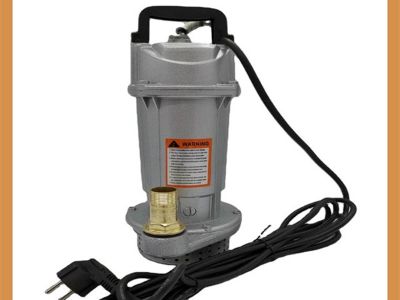
Understanding how to select the right water booster pump for low-pressure water lines is essential for ensuring optimal performance and efficiency in various applications. Water irrigation booster pump are designed to enhance water pressure in systems where the existing pressure is insufficient, making them crucial in both residential and commercial settings. This article addresses key concerns that purchasing managers and engineers may have when selecting water industrial booster pump, including quality evaluation, sourcing tips, cost factors, and finding reliable suppliers.
Choosing the Right Water Booster Pump for Low-Pressure Lines
When selecting a water booster pump for low-pressure water lines, the first step is to assess the specific needs of your application. Factors such as the required flow rate, the total dynamic head (TDH), and the type of fluid being pumped are critical to ensure compatibility and efficiency. For instance, a pump's flow rate should match the demand of the application, whether it's for irrigation, fire protection, or domestic water supply.
The materials used in the pump are also vital. Look for pumps made from corrosion-resistant materials if the water contains minerals or chemicals that may cause degradation. Additionally, consider the pump's energy efficiency rating, as this can significantly impact operational costs over time.
It is also essential to evaluate the pump's installation requirements. Some models may require specific space or configuration, which could affect your existing system. Before making a decision, consulting with manufacturers like WETONG, who have over 40 years of experience, can provide valuable insights into the best options available.
How to Evaluate the Quality of Water Booster Pumps
Evaluating the quality of water booster pumps involves several key aspects. First, consider the pump's specifications, including its construction materials, motor type, and efficiency ratings. High-quality pumps typically feature robust designs, often incorporating stainless steel or bronze components that resist corrosion and wear.
Quality certifications can also serve as indicators of reliability. Look for products that meet international standards or have undergone rigorous testing procedures. Manufacturers that have established quality control processes often provide detailed data on their testing methods, which can help in assessing product reliability.
Moreover, it is advisable to request samples or references from previous clients to evaluate performance under real-world conditions. Understanding how a pump performs in similar applications can provide confidence in your purchasing decision. A reputable manufacturer will readily provide this information and assist in troubleshooting any potential issues.
Wholesale Sourcing Tips for Water Booster Pumps
When sourcing water booster pumps wholesale, consider establishing strong relationships with manufacturers. A direct partnership can lead to better pricing, customized solutions, and priority service. Start by identifying suppliers with a proven track record in the industry, such as WETONG, which has a reputation for producing high-quality pumps for over 50 countries.
Communicate your specific requirements clearly, including desired specifications, quantities, and delivery timelines. This transparency enables suppliers to provide accurate quotations and ensure that the final product meets your needs.
Additionally, consider the terms of the Minimum Order Quantity (MOQ) and pricing structures. Understanding these factors upfront can help avoid unexpected costs and ensure that you maintain a healthy budget. It’s also wise to compare offers from multiple suppliers, but focus on the value provided rather than just the lowest price.
Cost Factors to Consider When Buying Water Booster Pumps
Several cost factors influence the purchase of water booster pumps. The initial purchase price is essential, but ongoing operational costs, maintenance requirements, and energy efficiency should also be considered. High-efficiency pumps may have a higher upfront cost but can lead to significant savings over their lifespan due to reduced energy consumption.
Installation expenses can also vary. Factors such as plumbing modifications, labor costs, and additional equipment (like pressure tanks or control systems) should be accounted for in your budget. It's essential to understand the total cost of ownership rather than focusing solely on the purchase price.
Moreover, inquire about warranty terms and after-sales support. A longer warranty period often reflects the manufacturer's confidence in their product quality and can save you costs related to repairs or replacements in the future.
Where to Find Reliable Suppliers for Water Booster Pumps
Finding reliable suppliers for water booster pumps requires thorough research and careful evaluation. Start by visiting industry trade shows or networking events, where you can meet manufacturers and distributors in person. This direct interaction can help you gauge their expertise and commitment to quality.
Online directories and industry-specific platforms can also be valuable resources for identifying potential suppliers. Look for reviews or testimonials from previous customers to assess the supplier's reputation.
Additionally, consider reaching out to manufacturers like WETONG, known for their extensive experience in producing a variety of pumps. A reputable supplier will provide comprehensive information about their products, including specifications, customization options, and support services, which can greatly aid in your decision-making process.
By following these guidelines and leveraging the expertise of established manufacturers, you can make informed decisions when selecting water booster pump supplier tailored to low-pressure water lines, ensuring your systems operate efficiently and effectively.