
 EN
 AR
 HR
 DA
 FR
 DE
 IT
 JA
 KO
 PL
 PT
 RU
 ES
 SV
 TL
 ID
 UK
 VI
 SQ
 TH
 TR
 MS
 GA
 BE
 IS
 HY
 EU
 LO
 LA
 MN
 NE
 TA
 MY
 NY
 KK
 SU
 TG
 UZ
 KY
 XH
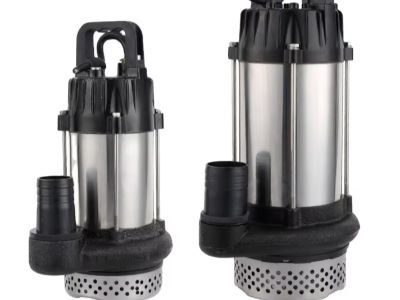
Understanding the right pump head required for farm irrigation is crucial for optimizing water distribution and ensuring efficient crop growth. As a purchasing manager or engineer, you may have concerns about selecting the appropriate specifications that meet your specific irrigation needs. This article will guide you through the essential factors to consider when determining what pump head is required for farm irrigation, helping you make informed purchasing decisions.
What Pump Head Specifications Are Ideal for Farm Irrigation?
When selecting a pump head for farm irrigation, you should consider several specifications that directly impact performance:
Total Dynamic Head (TDH): This is the total height that the pump must lift water, including the vertical distance, friction losses in the piping, and any additional pressure required by the irrigation system. The TDH will vary based on the layout of your irrigation system and the type of crops being irrigated.
Flow Rate: This specification refers to the volume of water the pump can deliver over a specific period, typically measured in gallons per minute (GPM) or liters per second (L/s). Your irrigation system's design will dictate the necessary flow rate to ensure adequate water supply for your crops.
Pump Type: Different pump types, such as centrifugal, submersible, or positive displacement pumps, offer unique advantages and disadvantages based on the application. Understanding the irrigation method (surface, drip, or sprinkler) can help determine which pump type is most suitable.
Materials: The construction materials of the pumps should be selected based on the water quality and the environment. For example, corrosion-resistant materials may be necessary for brackish or chemically treated water.
Choosing the correct specifications is vital because an unsuitable pump can lead to inefficiencies, higher operational costs, or even equipment failure.
How to Choose the Right Pump Head for Your Irrigation Needs?
Selecting the right pump head involves a systematic approach:
Assess Your Irrigation Requirements: Start by evaluating your irrigation system's design and requirements. Identify the crops you will be growing, their water needs, and the size of the area to be irrigated. This will help you determine the necessary flow rate and TDH.
Consult with Experts: Engage with irrigation specialists or manufacturers like WETONG, who have extensive experience in water pump systems. They can provide insights into the best water pump solar options based on your specific application and environmental conditions.
Consider Future Expansion: If you anticipate expanding your farm or changing your irrigation method, consider a pump head that allows for scalability. This foresight can save you from needing to replace the pump sooner than necessary.
Evaluate Energy Efficiency: Energy costs are a significant factor in the overall operational costs of irrigation. Look for pumps that offer high energy efficiency ratings, which can lead to long-term savings.
Review Manufacturer Specifications: Ensure that the pump head you select meets the necessary industry standards and certifications. This ensures reliability and compliance with agricultural regulations.
Where to Source Reliable Pump Heads for Farm Irrigation Projects?
Sourcing a reliable pump head begins with identifying reputable manufacturers and suppliers. Look for companies that specialize in agricultural water pumps, such as WETONG, with over 40 years of experience in producing high-quality solutions. Here are some steps to effectively source your pump heads:
Research Manufacturers: Compile a list of manufacturers known for their expertise in agricultural irrigation pumps. Consider their product range, technological capabilities, and experience in the field.
Request Technical Documentation: Before making a selection, request detailed technical specifications, installation manuals, and performance data sheets for the pump heads you're considering. This information will help you assess their compatibility with your irrigation systems.
Ask for References: Reach out to other farmers or agricultural businesses who have used the manufacturer’s products. Their insights can provide valuable information regarding performance, reliability, and customer service.
Evaluate Support Services: Consider the after-sales support provided by the manufacturer, including warranty terms, maintenance services, and availability of spare parts.
By thoroughly vetting potential suppliers, you can ensure that you choose a reliable source for your pump heads.
Quality and Cost Considerations
When evaluating pump heads for farm irrigation, both quality and cost play pivotal roles. Here are some factors to keep in mind:
Material Quality: The durability of the pump head directly affects its lifespan and performance. Higher-quality materials may have a higher upfront cost but can provide better resistance to wear, corrosion, and pressure.
Cost vs. Value: While lower-priced options may seem attractive, consider the long-term value they offer. A cheaper pump may require more frequent maintenance or replacement, ultimately leading to higher costs over time.
Total Cost of Ownership: This includes not only the purchase price but also installation, operation, maintenance, and energy costs. Evaluate the total cost of ownership to determine which pump head offers the best overall value.
Quality Control Processes: Ensure that the manufacturer employs rigorous quality control measures during production. This includes testing for performance, efficiency, and compliance with relevant standards.
Customization Options: Some projects may require specific customization, such as unique sizes or materials. Verify whether the manufacturer can accommodate these needs without significantly impacting lead time or cost.
Evaluating Pump Head Performance for Farms
To ensure that the pump head you choose performs optimally for your farm irrigation needs, consider the following evaluation criteria:
Testing Under Actual Conditions: Before finalizing an order, if possible, request a sample of the pump head to be tested under your specific irrigation conditions. This will help verify that it meets the intended flow and pressure requirements.
Monitor Performance Metrics: Once installed, regularly monitor the pump's performance metrics, such as flow rate, pressure, and energy consumption. This data can help identify any issues early on and ensure that the system operates efficiently.
Regular Maintenance Checks: Establish a routine maintenance schedule that includes inspecting the walter pump for signs of wear, checking seals and connections, and ensuring that the system is free from debris. This proactive approach can help extend the lifespan of the pump.
Feedback Loop: Maintain communication with your supplier about the pump's performance. If you encounter any issues, document your findings and share them with the manufacturer for potential improvements in future models.
By following these guidelines, you can effectively evaluate and ensure the performance of your chosen pump head for irrigation, leading to a more successful farming operation.