
 EN
 AR
 HR
 DA
 FR
 DE
 IT
 JA
 KO
 PL
 PT
 RU
 ES
 SV
 TL
 ID
 UK
 VI
 SQ
 TH
 TR
 MS
 GA
 BE
 IS
 HY
 EU
 LO
 LA
 MN
 NE
 TA
 MY
 NY
 KK
 SU
 TG
 UZ
 KY
 XH
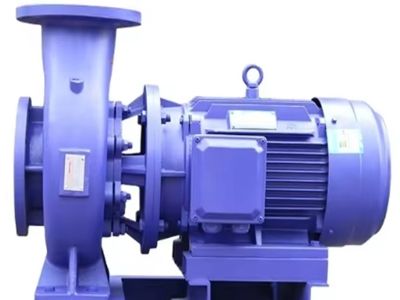
Understanding why irrigation pumps need proper suction conditions is critical for optimizing their efficiency and functionality. These high pressure solar surface water pumps play a vital role in agricultural practices by ensuring that water is delivered effectively to crops. However, improper suction conditions can lead to inefficiencies, increased energy costs, and potential damage to the pump system. This article will delve into the significance of suction conditions for irrigation pumps, addressing key concerns for purchasing managers and engineers, and offering guidance on sourcing and maintaining these essential systems.
How Suction Conditions Affect Irrigation Pump Efficiency
Suction conditions directly influence the performance and efficiency of irrigation pumps. When a pump operates under inadequate suction conditions, several issues can arise. For instance, cavitation may occur, which is characterized by the formation of vapor bubbles in the pump. This phenomenon can lead to significant wear and tear on pump components, ultimately resulting in costly repairs or replacements.
Additionally, insufficient suction can reduce flow rates and overall pumping capacity. A pump that is unable to achieve the required suction lift may struggle to draw water from the source, leading to inconsistent water supply to crops. To optimize efficiency, it is crucial to ensure that the pump has appropriate suction conditions tailored to the specific application, including the depth of the water source and the required flow rate.
Suction Conditions and Quality
The quality of suction conditions is determined by various factors, including the design, installation, and maintenance of the irrigation system. Proper installation of suction piping is essential to minimize friction losses and ensure that the pump can effectively draw water. For example, using the correct diameter and length of suction pipes can prevent pressure losses that would otherwise hinder pump performance.
Moreover, the positioning of the pump in relation to the water source plays a significant role. Pumps should be installed as close to the water source as possible to reduce the distance water must travel and maintain proper suction. Regular maintenance checks are also vital to ensure that there are no leaks or blockages in the system, as these can severely impact suction quality.
Where to Source Reliable Irrigation Pumps with Ideal Suction
When sourcing irrigation pumps, it is crucial to choose a manufacturer that understands the importance of suction conditions and can provide solar pumps designed to meet specific application requirements. WETONG, with over 40 years of experience in manufacturing water pumps, offers a range of products including deep well, submersible, and agricultural irrigation pumps that cater to various irrigation needs.
Buyers should look for manufacturers that provide detailed product specifications, including suction lift capabilities, flow rates, and material compositions. Additionally, verifying the manufacturer's experience in exporting to different markets can be beneficial, as it often indicates their understanding of diverse agricultural practices and requirements.
Ensuring Proper Suction for Irrigation Pumps
To ensure proper suction for irrigation pumps, several best practices should be followed. First, consider the pump's specifications, including its maximum suction lift and flow rate, and ensure these align with the system's requirements. This alignment is crucial to prevent operational issues and ensure longevity.
Secondly, proper priming of the pump is essential before operation. Air trapped in the pump or suction line can significantly hinder performance. Ensuring that the system is adequately primed will help achieve optimal suction conditions from the start.
Finally, regular monitoring of the system during operation can help identify any potential issues early. Keeping an eye on pressure gauges and flow meters can alert operators to changes in performance that may indicate suction problems.
Installation Guidance for Maintaining Suction Conditions
The installation of irrigation pumps plays a crucial role in maintaining proper suction conditions. Key installation considerations include:
Suction Pipe Sizing: Ensure the diameter of the suction pipe is appropriate for the pump's specifications. A pipe that is too small can lead to increased friction losses and reduced flow rates.
Vertical Lift: Minimize vertical lift whenever possible. Pumps should be installed at a level that allows for the shortest vertical distance to the water source to maintain adequate suction.
Smooth Connections: Utilize smooth, continuous suction piping without unnecessary bends or fittings. This helps reduce turbulence and pressure loss during operation.
Regular Maintenance: Schedule regular maintenance to check for leaks, blockages, and wear on components. This proactive approach helps maintain suction quality and overall pump performance.
By following these guidelines and understanding the critical importance of suction conditions, purchasing managers and engineers can make informed decisions regarding irrigation pump systems, ensuring efficient and reliable water delivery to agricultural operations.