
 EN
EN
 AR
AR
 HR
HR
 DA
DA
 FR
FR
 DE
DE
 IT
IT
 JA
JA
 KO
KO
 PL
PL
 PT
PT
 RU
RU
 ES
ES
 SV
SV
 TL
TL
 ID
ID
 UK
UK
 VI
VI
 SQ
SQ
 TH
TH
 TR
TR
 MS
MS
 GA
GA
 BE
BE
 IS
IS
 HY
HY
 EU
EU
 LO
LO
 LA
LA
 MN
MN
 NE
NE
 TA
TA
 MY
MY
 NY
NY
 KK
KK
 SU
SU
 TG
TG
 UZ
UZ
 KY
KY
 XH
XH
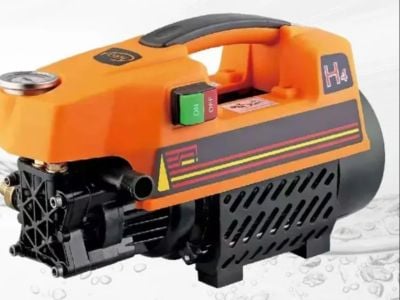
Choosing the right electrical submersible pump is a critical decision for almost any fluid-management project, regardless of whether you are trying to dewater a flooded residential basement or transport dense crude oil in a heavy industrial environment. Finding the optimal equipment for your specific layout saves substantial amounts of time, cuts operating costs, and eliminates systemic maintenance headaches down the road. At Weiying, we specialize in engineering and manufacturing high-performance submersible pumps tailored to meet diverse global application requirements. This comprehensive guide details exactly how to evaluate your operational parameters, size your systems perfectly, and troubleshoot common performance bottlenecks so you can keep your fluid systems running smoothly
Common Usage Issues with Electrical Submersible Pumps and How to Avoid Them
When operating electrical submersible pumps, field technicians often encounter a few recurring operational hurdles that are completely preventable with the right preventative strategies. One of the most severe issues is thermal overloading and motor overheating, which typically happens when a pump is forced to run dry or operates in insufficient fluid levels without the liquid cooling its internal motor housing. To avoid costly motor burnouts, operators must always verify baseline fluid levels and implement automated low-level shutoff switches before initiating a pumping cycle. Another frequent issue is physical clogging or impellers locking up due to sand, silt, and foreign debris entering the suction chamber. Installing a heavy-duty intake strainer or screen on the pump's inlet protects the internal mechanics, while scheduling regular cleanings and inspections prevents minor debris accumulations from snowballing into catastrophic pump failures. Furthermore, loose or poorly insulated electrical connections frequently cause erratic voltage drops and sudden system malfunctions, making routine wiring checks a vital step in maintaining long-term reliability. Finally, matching the pump's metallurgy and seal elastomers to the chemical composition of the fluid is critical, as using a standard water pump to move corrosive or abrasive liquids will cause rapid wear and premature equipment failure
How to Choose the Right Size Electrical Submersible Pump for Your Application
Accurately sizing an electrical submersible solar water pump is paramount because an undersized unit will fail to meet your required volumetric throughput, while an oversized pump wastes massive amounts of electricity and accelerates mechanical wear through excessive cycling. To calculate the ideal pump capacity, your engineering team must first determine the exact volume of fluid that needs to be relocated within a specific timeframe, measuring your required flow rate in gallons per minute or liters per second. Next, you must calculate the total dynamic head, which represents the total vertical height the pump must lift the fluid, combined with the frictional resistance generated as the liquid travels through the discharge piping. Fluid thickness and viscosity also play a massive role in hardware selection, since denser or highly viscous fluids require significantly more motor horsepower to push through the impellers without causing a stall. Weiying offers a comprehensive portfolio of pump sizes, motor configurations, and impeller designs, allowing you to select a unit engineered precisely for your dynamic system requirements to achieve maximum hydraulic efficiency
What Are the Key Benefits of Using Electrical Submersible Pumps in Various Industries
Electrical submersible walter pump offer unmatched operational advantages across a wide variety of industrial sectors because they push fluids to the surface rather than pulling them, making them exceptionally energy-efficient. Because the pump and motor assembly operate entirely submerged within the liquid, they do not require priming and utilize the surrounding fluid to dissipate heat, significantly lowering energy consumption and reducing corporate electricity costs. In the high-stakes oil and gas sector, multi-stage centrifugal submersible pumps are deployed deep underground to boost wellbore pressure, accelerating artificial lift volumes to maximize daily production barrels and drive bottom-line profitability. Their heavy-duty, corrosion-resistant construction also provides extreme durability in punishing environments, making them highly trusted by agricultural operations that rely on non-stop deep-well irrigation to protect vulnerable crops from drought. For municipal infrastructure and active construction sites, these compact units offer rapid setup and immediate dewatering capabilities, allowing operators to quickly clear heavy water accumulation and maintain safe, compliant working conditions without costly project delays
How to Troubleshoot Common Problems with Electrical Submersible Pumps
When an electrical submersible pump experiences a drop in performance or fails to activate, having a structured troubleshooting checklist allows field teams to identify the root cause and minimize operational downtime. If the pump completely refuses to turn on, the first step is always to test the power supply, verify that the control panel circuit breakers have not tripped, and ensure that high-voltage electrical lines have not suffered a loose terminal connection. If the motor is humming and drawing current but failing to discharge any fluid, the pump may be experiencing an air lock, or it may simply be positioned too high above the dynamic water line, requiring you to submerge the unit deeper into the sump. Excessive mechanical vibration or loud, grinding noises during a session are immediate red flags that indicate either a severely clogged impeller, misaligned shaft bearings, or a compromised mechanical seal allowing fluid into the motor housing. Addressing these anomalies immediately through routine oil changes, seal replacements, and clearing intake blockages ensures that your Weiying hardware continues to deliver peak performance throughout its intended operational lifespan
Where to Find Expert Advice on Choosing Electrical Submersible Pumps for Your Projects
Navigating the technical nuances of fluid mechanics and pump curves can be incredibly complex, but sourcing professional engineering insights ensures you invest in the right infrastructure from day one. Partnering directly with application engineers at established manufacturers like Weiying gives you direct access to certified technicians who can evaluate your fluid properties, analyze your system piping designs, and recommend custom configurations tailored to your project. Additionally, consulting digital water-management clearinghouses, industrial engineering forums, and manufacturer catalogs provides excellent comparative data regarding real-world equipment field performance and brand reliability. Attending international energy and machinery trade exhibitions is another fantastic avenue for networking, as it allows you to see advanced multi-stage pumps in action, interface with design engineers, and evaluate the newest automated control panels firsthand. Finally, collaborating with local fluid systems contractors and civil engineers provides practical, regional insights into specific water table challenges and sediment issues, ensuring your final pump selection is perfectly optimized for your localized operating environment.
Table of Contents
- Common Usage Issues with Electrical Submersible Pumps and How to Avoid Them
- How to Choose the Right Size Electrical Submersible Pump for Your Application
- What Are the Key Benefits of Using Electrical Submersible Pumps in Various Industries
- How to Troubleshoot Common Problems with Electrical Submersible Pumps
- Where to Find Expert Advice on Choosing Electrical Submersible Pumps for Your Projects