
 EN
EN
 AR
AR
 HR
HR
 DA
DA
 FR
FR
 DE
DE
 IT
IT
 JA
JA
 KO
KO
 PL
PL
 PT
PT
 RU
RU
 ES
ES
 SV
SV
 TL
TL
 ID
ID
 UK
UK
 VI
VI
 SQ
SQ
 TH
TH
 TR
TR
 MS
MS
 GA
GA
 BE
BE
 IS
IS
 HY
HY
 EU
EU
 LO
LO
 LA
LA
 MN
MN
 NE
NE
 TA
TA
 MY
MY
 NY
NY
 KK
KK
 SU
SU
 TG
TG
 UZ
UZ
 KY
KY
 XH
XH
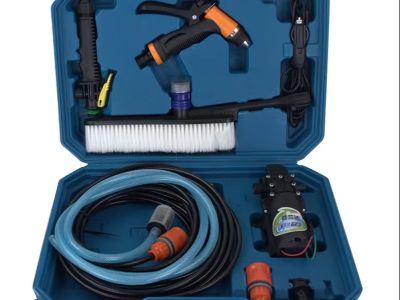
Electric Irrigation Pumps: A Guide for Buyers
When buying electric irrigation pumps, it is important to understand the features that affect performance, efficiency, and reliability. Electric irrigation pumps help move water from sources such as wells, tanks, or reservoirs to fields, gardens, and other areas that need irrigation. For farmers and property owners, choosing the right pump can make watering easier and more efficient. At Weiying, we understand the importance of selecting equipment that matches your irrigation requirements. By considering factors such as flow rate, power, water source, construction materials, and maintenance needs, you can find a pump that provides reliable performance over time.
What to Look for When Buying Electric Irrigation Pumps for Wholesale?
When purchasing electric irrigation pumps for wholesale applications, start by considering the size of the area that needs to be watered. A large farm generally requires a pump with a suitable flow rate to move enough water efficiently. Flow rate indicates how much water a pump can move within a specific period, making it an important specification when comparing different models. Pump power is another factor to consider. Power is commonly measured in horsepower (HP), and the required level depends on factors such as the distance water must travel, the elevation it needs to reach, and the resistance created by the piping system. If water needs to move uphill or through long pipelines, a pump with sufficient power may be necessary.
The water source also affects your choice. Some electric irrigation pumps for sale are designed for shallow water sources, while others are better suited to deeper wells or other applications. Before purchasing a pump, check its recommended operating conditions and maximum suction or pumping requirements. Construction materials should also be considered, particularly when the pump will be exposed to moisture, minerals, or other conditions that could cause corrosion. Durable materials can help extend the service life of the equipment. For wholesale buyers, it is also useful to compare warranties, technical support, replacement parts, and customer reviews. A reliable supplier such as Weiying can help buyers select equipment based on their specific irrigation requirements.
Common Usage Issues with Electric Irrigation Pumps and How to Fix Them
Even a properly selected electric irrigation pump can experience operating problems. One common issue is that the pump does not start. Before inspecting the pump itself, check the power supply, electrical connections, switches, and circuit protection. A loose connection or interrupted power supply can prevent the pump from operating. Insufficient water at the source can also cause problems. If the water level is too low, the pump may not be able to operate properly. Always make sure the water source meets the pump's operating requirements. Unusual noises can indicate debris, blockages, worn components, or other mechanical issues. If the pump produces abnormal sounds, switch it off before inspecting it. Removing debris and keeping filters clean can help prevent blockages. A reduction in water pressure or flow may also occur. Check the intake, filters, valves, and pipelines for clogs or leaks. Even a small blockage can reduce the amount of water reaching the irrigation system. Excessive vibration is another issue that should not be ignored. The pump should be installed securely on a stable, level surface. Loose mounting or an unsuitable installation location can contribute to vibration and noise. Regular maintenance is one of the best ways to prevent these problems. Cleaning filters, checking connections, inspecting pipes, and following the manufacturer's maintenance recommendations can help keep the pump operating efficiently.
Why Are Electric Irrigation Pumps a Good Choice for Farmers?
Electric irrigation pumps offer several advantages for agricultural applications. One major benefit is that they do not require on-site fuel combustion, which can help reduce direct exhaust emissions during operation. They are also generally quieter than many fuel-powered pumps, making them suitable for farms and other areas where noise may be a concern. Maintenance can also be simpler because electric motors typically have fewer mechanical components than internal-combustion engines. This can reduce some routine maintenance requirements and make servicing more straightforward. Energy efficiency is another consideration.
An appropriately sized electric pump can deliver the required amount of water while using energy efficiently. However, actual energy consumption depends on factors such as pump efficiency, operating conditions, water pressure, and system design. high pressure electric irrigation pumps can also be integrated with automated irrigation systems. Timers, controllers, and sensors can help farmers schedule irrigation and manage water delivery according to crop requirements. This can reduce the need for constant manual operation. For farms with a dependable electricity supply, an electric irrigation pump can therefore provide a practical solution for consistent and convenient water delivery.
How to Choose the Right Electric Irrigation Pump for Your Farm?
The right electric irrigation pump depends on the specific requirements of your farm. Begin by calculating how much water your irrigation system needs. A large agricultural area may require a higher flow rate, while a small garden may need a smaller pump. Next, consider the available power supply. Make sure the pump's electrical requirements are compatible with the power available at the installation site. Voltage, frequency, and other electrical specifications should be checked before purchase. The type of crops you grow is another important consideration. Different crops have different irrigation requirements, so understanding how much water your plants need can help you select an appropriate pump and irrigation system. You can also consider additional features that improve irrigation management. Timers, sensors, and automatic controls can help regulate when and how long the pump operates. These features can make it easier to avoid unnecessary watering and improve overall water management. Finally, consider warranty coverage, spare parts, technical assistance, and customer service. Weiying offers different electric irrigation pump options, allowing farmers to select equipment according to their application and operating requirements.
How Electric Irrigation Pumps Can Save Time and Money?
Electric irrigation pumps can help farmers manage irrigation more efficiently. One potential advantage is energy efficiency. When a pump is correctly sized and operated within its recommended conditions, it can deliver water efficiently and help control operating costs. Automation can also save time. Pumps connected to timers or irrigation controllers can operate according to a preset schedule. For example, irrigation can be scheduled during cooler periods of the day, reducing the need for farmers to manually start and stop the system. Maintenance costs can also be manageable because electric pumps generally have fewer engine-related components than fuel-powered equipment. Regular inspections and preventive maintenance can further reduce the likelihood of unexpected breakdowns. Choosing a reliable electric pump is essential for achieving these benefits. A pump that is too small may struggle to meet irrigation demands, while an oversized pump may consume more energy than necessary. Selecting equipment based on actual flow, pressure, water-source, and electrical requirements can help improve overall efficiency. With the right electric irrigation pump, farmers can simplify water management, reduce unnecessary operating work, and provide crops with a more consistent water supply. Weiying can help buyers identify suitable pump solutions for different agricultural irrigation applications.
Table of Contents
- What to Look for When Buying Electric Irrigation Pumps for Wholesale?
- Common Usage Issues with Electric Irrigation Pumps and How to Fix Them
- Why Are Electric Irrigation Pumps a Good Choice for Farmers?
- How to Choose the Right Electric Irrigation Pump for Your Farm?
- How Electric Irrigation Pumps Can Save Time and Money?