
 EN
 AR
 HR
 DA
 FR
 DE
 IT
 JA
 KO
 PL
 PT
 RU
 ES
 SV
 TL
 ID
 UK
 VI
 SQ
 TH
 TR
 MS
 GA
 BE
 IS
 HY
 EU
 LO
 LA
 MN
 NE
 TA
 MY
 NY
 KK
 SU
 TG
 UZ
 KY
 XH
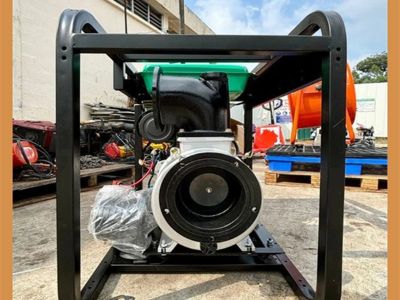
When considering diesel water pumps, wholesale buyers need to be well-versed in the various specifications that affect performance, efficiency, and application suitability. Diesel water pumps are essential for numerous industries, providing reliable solutions for irrigation, construction, and emergency water supply. This article will clarify the critical specifications to consider when sourcing diesel water pumps, helping purchasing managers and engineers make informed decisions that meet their operational needs.
How to Choose the Right Diesel Water Pump for Your Projects?
Selecting the appropriate diesel water pump requires a thorough understanding of several key specifications. First, consider the flow rate, typically measured in liters per minute (L/min) or gallons per minute (GPM). This parameter indicates how much water the pump can deliver and is crucial for matching the pump to project requirements. For instance, agricultural applications may require higher flow rates to support irrigation systems.
Next, assess the pump's maximum head, which refers to the maximum height the pump can lift water. This specification is essential for applications requiring elevation, such as transferring water to elevated storage tanks. A pumps with insufficient head capability may lead to inadequate water supply.
The power rating, expressed in horsepower (HP) or kilowatts (kW), is another critical factor. A higher power rating typically means better performance, especially for challenging applications involving thick or muddy water. Additionally, consider the pump's operating speed, generally measured in revolutions per minute (RPM), which can impact efficiency and wear.
Material selection is also vital. Diesel water pumps are commonly constructed from cast iron, stainless steel, or thermoplastic. Each material offers different benefits in terms of durability, corrosion resistance, and weight, influencing the pump's overall performance and lifespan. For instance, stainless steel is ideal for corrosive environments, while cast iron offers robustness for heavy-duty applications.
Lastly, consider the pump's compatibility with existing systems. Ensure that the inlet and outlet sizes match your piping system to prevent leaks or inefficiencies during operation.
Where to Source Reliable Diesel Water Pumps for Bulk Orders?
Sourcing diesel water pumps for bulk orders requires careful consideration of suppliers. A reliable manufacturer like WETONG, with over 40 years of experience and a solid reputation in the industry, can provide high-quality pump tailored to your specifications. When evaluating potential suppliers, consider their manufacturing capabilities, certifications, and quality control processes.
Start by requesting product catalogs that outline specifications, available models, and customization options. A reputable supplier will have a diverse range of products and the ability to accommodate specific requirements, such as unique sizes or materials.
Next, evaluate the supplier's quality assurance practices. Look for manufacturers that adhere to international standards and have robust quality control measures in place. Certifications such as ISO 9001 can indicate a commitment to quality management.
Communication is also crucial. A supplier that is responsive and willing to engage with you about your needs can ensure a smoother ordering process. Don't hesitate to ask for samples before placing a bulk order to verify quality and performance.
Finally, consider logistics. A good supplier should have established export capabilities if you are sourcing from a different country. Confirm their delivery times, shipping terms, and any additional costs involved to avoid surprises.
A Buyer’s Guide
When preparing to buy diesel water pumps, there are essential details to gather that will facilitate a smooth purchasing process. Here’s a concise checklist to help buyers streamline their RFQ (Request for Quotation):
Product Type: Specify the desired type of diesel water pump, such as submersible or surface-mounted.
Model and Specifications: Clearly outline the required model and specifications, including flow rate, maximum head, and power rating.
Quantity: Provide an accurate estimate of the number of units needed.
Application: Briefly describe the intended use, whether for agricultural, construction, or emergency services.
Customization Needs: Note any specific requirements, such as material preferences or special features.
Packaging Requirements: Indicate how you would like the pumps packaged for shipment, considering ease of handling and storage.
Delivery Destination: Provide the exact delivery address to receive accurate shipping quotes.
Technical Drawings: If applicable, include any technical drawings or diagrams that can help the supplier understand your needs better.
Sample Requests: If possible, request samples prior to bulk orders to confirm quality and usability.
By preparing these details in advance, buyers can simplify the procurement process and ensure they receive the correct products.
Common Problems with Diesel Water Pumps and Their Solutions
When operating diesel water pumps, buyers should be aware of common issues that may arise and how to address them. One frequent problem is overheating, often due to insufficient water supply or a clogged filter. To prevent this, ensure that the diesel water pump is appropriately sized for your application and conduct regular maintenance checks to clean filters and intakes.
Another issue is cavitation, which occurs when the pressure in the pump drops below the vapor pressure of the liquid being pumped. This can cause damage to the pump components. To mitigate this risk, maintain appropriate inlet pressure and avoid long suction lines that can lead to pressure loss.
Additionally, buyers should be cautious of vibration during operation, which can indicate misalignment or wear in the pump or motor. Regular inspections and maintenance can help identify and correct these issues early, prolonging the pump's life and ensuring reliable performance.
Lastly, diesel pumps may experience fuel system problems, such as clogged filters or air leaks. Regularly inspect and replace fuel filters as needed and check for leaks in the fuel lines to maintain optimal operation.
By understanding these common problems and their solutions, buyers can ensure their diesel water pumps operate efficiently and effectively, minimizing downtime and maintenance costs.