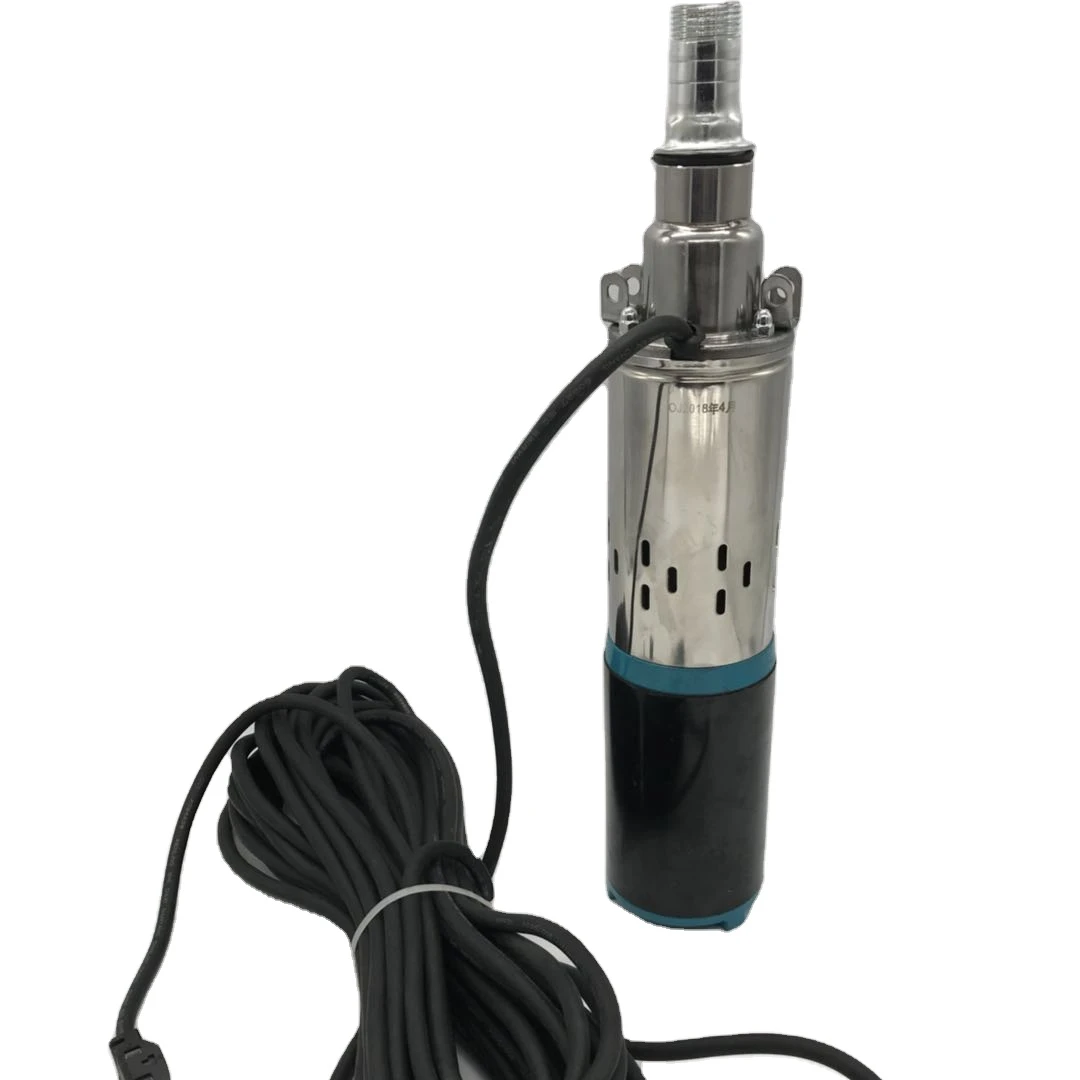
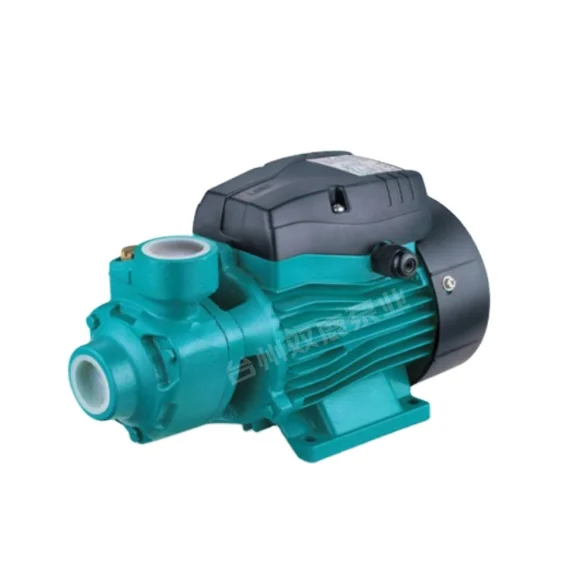
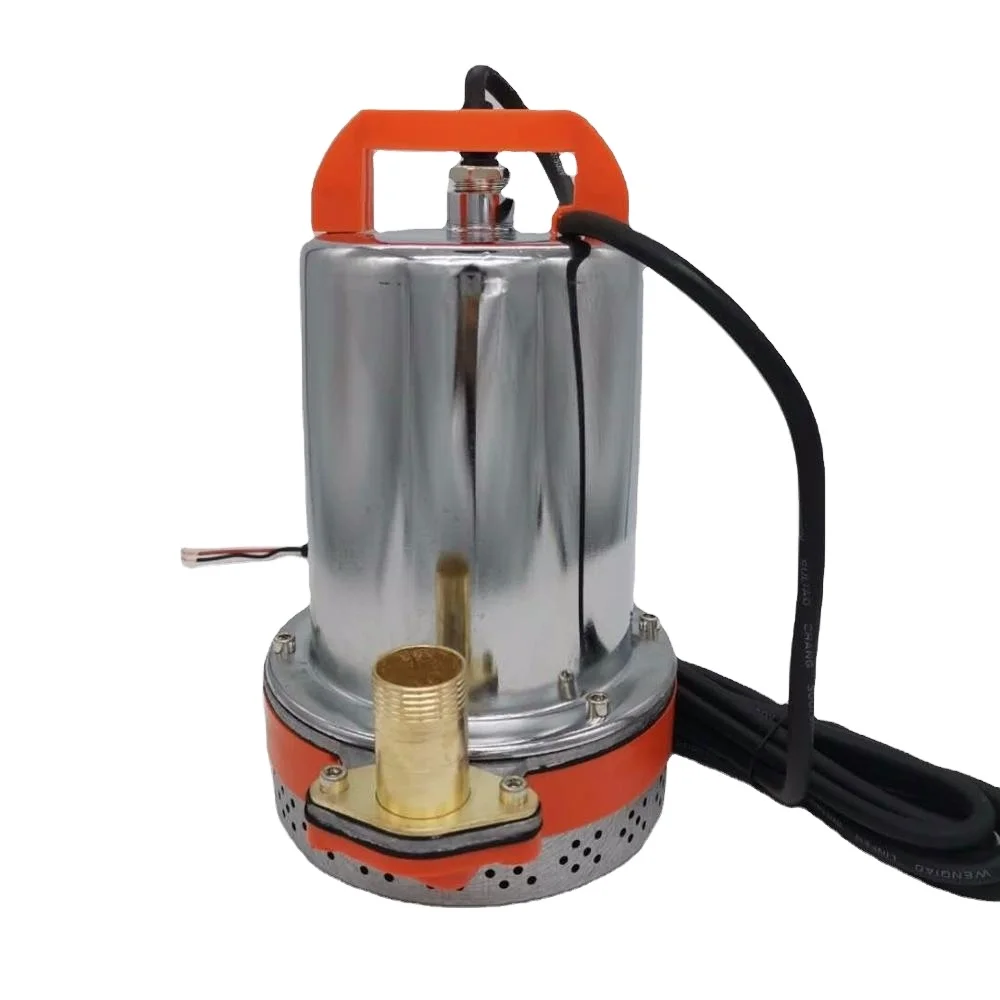
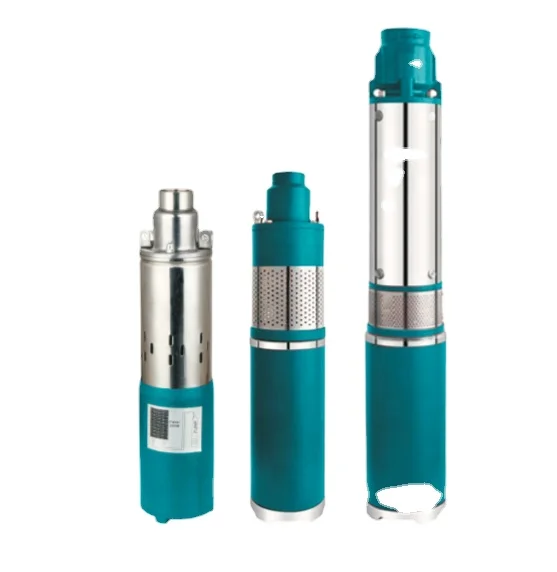
A bilge pump is a critical piece of equipment on a boat that keeps boats from sinking. In other words, these pumps keep the boat from becoming waterlogged in the event water accumulates in the bottom of a boat to the extent that it ends up becoming the boat’s seafloor. Boat owners need to know how and why they are important, how to pick the right pump, make sure the pump is properly maintained and how to troubleshoot a bilge pump that is not working.
A bilge pump is installed in the bilge, the lowest part of a boat, to remove water that has accumulated. It's built to pump out excess water that enters the boat - whether its because of rain, waves or leaks. operates to prevent the boat from sinking and sinking always to pump the water to the ejector level.
Bilge pumps could very well save a boat and protect passengers. A boat that couldn’t pump water out of the hull would, without a doubt, take on water quickly, potentially sinking and putting everyone aboard at risk. With regular inspection and care, boat owners can ensure their bilge pump is ready to protect the boat from water damage and to rest easy knowing their boat remains protected.
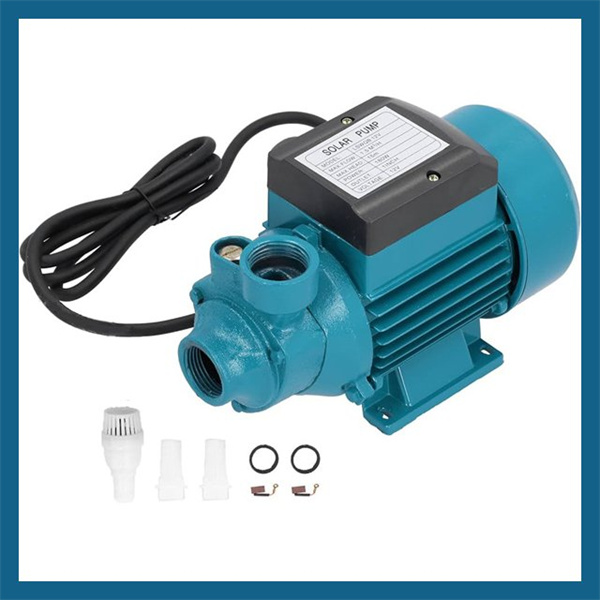
How do bilge pumps operate: Bilge pumps operate with either a hose fed design or a through hull design. After inside, water is simply thrown out through a hose or pipe running outside the backside of the boat. Some bilge pumps are automatic, which means that when water reaches a certain level, they simply activate on their own; manual bilge pumps must be turned on by an operator. With the continual urge water out of the bilge and overboard, these pumps are ideal for preventing water damage and keeping your boat afloat.
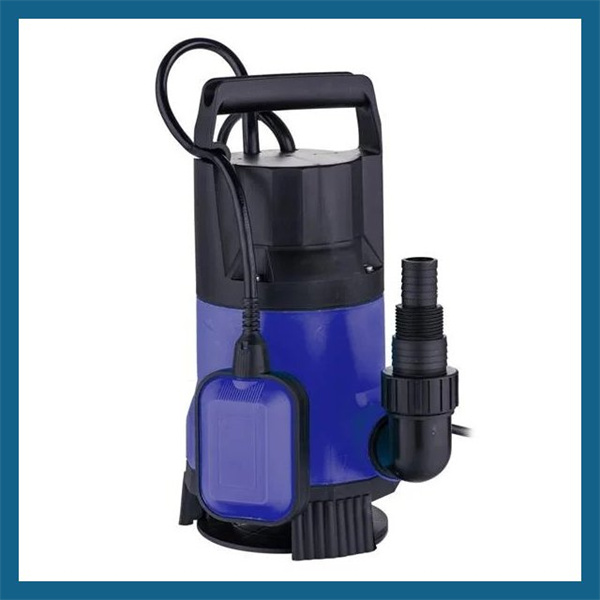
When selecting a bilge pump for your watercraft, it is crucial to take the size of your boat and the volume of water it is likely to absorb into account. Bigger vessels may need more heavy-duty pumps to eliminate water effectively, while smaller boats only need a simple pump. You also have to think about the choice between an automatic or manual pump, and what type of power the pump will need.
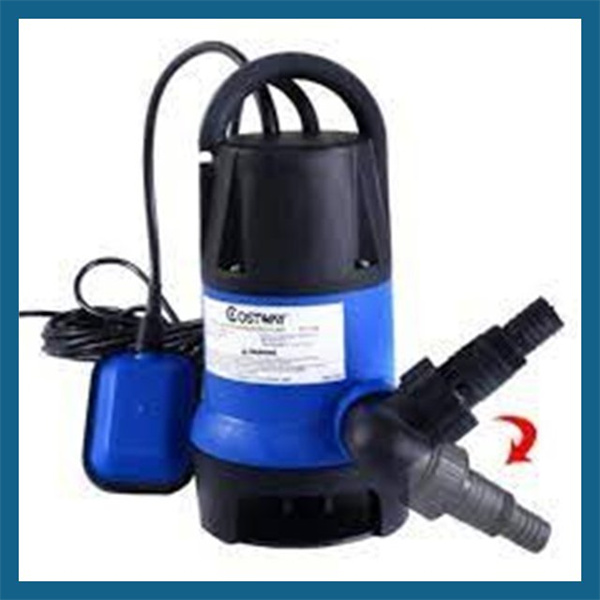
To protect your bilge pump, you will need to properly maintain and test it on a consistent basis. They also control most of the water flow through small motors so you also have to check for clogs and the like in the pump and in the hoses, as well as ensuring the pump is properly mounted and that it operates. When you suspect there’s something wrong with your bilge pump, like it’s making weird sounds or won’t activate, then these are problems you need to address right away to avoid any water damages to your boat.
bilge pump 30 years industry expertise pioneer providing professional pumping solutions experience supported latest international pump technology ensure some parts pumps interchanged well-known international brands guaranteeing reliability compatibility commitment quality earned us admired supplier global pumps business
WETONG utilizes China's bilge pump and utilizes an efficient high-efficiency management system This method of management allows us to minimize production expenses without sacrificing quality In the end we offer our customers the most competitive prices on the marketplace with unbeatable value and affordable prices
the WETONG team is made up of highly skilled professionals who have extensive experience in the world market our standards for production are stringent as we abide by the strictest guidelines we understand the high demands of our customers we make sure that every pump is subjected to rigorous quality control procedures to meet the most stringent standards this reflects our commitment to providing bilge pump products
we're dedicated to offering our customers a comprehensive after-sales system we keep an inventory for the majority of our bilge pump to ensure prompt delivery consultations on technical issues replacement of components as well as other professional services form part of our after-sales service the robust support system guarantees our customers receive ongoing and reliable help further proving our commitment to being a trusted one-stop-shop solution provider

Founded in 1982, WETONG located in Daxi town, Wenling city, Zhejiang province, the country of water pump and motors in China, we are professional company witch is specialized in deep well pumps, submersible pume, surface pump, marine pump, booster pump, car washer machine and motors.
No. 5, Yuying Road, Daxi Town, Taizhou, Zhejiang, China
Copyright © WENLING WEIYING EXPORT AND IMPORT CO.LTD. All Rights Reserved Privacy Policy Blog

 EN
EN
 AR
AR
 HR
HR
 DA
DA
 FR
FR
 DE
DE
 IT
IT
 JA
JA
 KO
KO
 PL
PL
 PT
PT
 RU
RU
 ES
ES
 SV
SV
 TL
TL
 ID
ID
 UK
UK
 VI
VI
 SQ
SQ
 TH
TH
 TR
TR
 MS
MS
 GA
GA
 BE
BE
 IS
IS
 HY
HY
 EU
EU
 LO
LO
 LA
LA
 MN
MN
 NE
NE
 TA
TA
 MY
MY
 NY
NY
 KK
KK
 SU
SU
 TG
TG
 UZ
UZ
 KY
KY
 XH
XH