
 EN
EN
 AR
AR
 HR
HR
 DA
DA
 FR
FR
 DE
DE
 IT
IT
 JA
JA
 KO
KO
 PL
PL
 PT
PT
 RU
RU
 ES
ES
 SV
SV
 TL
TL
 ID
ID
 UK
UK
 VI
VI
 SQ
SQ
 TH
TH
 TR
TR
 MS
MS
 GA
GA
 BE
BE
 IS
IS
 HY
HY
 EU
EU
 LO
LO
 LA
LA
 MN
MN
 NE
NE
 TA
TA
 MY
MY
 NY
NY
 KK
KK
 SU
SU
 TG
TG
 UZ
UZ
 KY
KY
 XH
XH
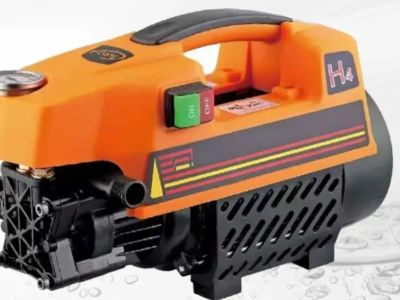
High-pressure pumps are important machines used in many industries. These pumps help move liquids and gases at very high pressures. Companies like Weiying make these pumps to meet the needs of many businesses. It is essential for pump manufacturers to follow strict rules and regulations. This ensures that the pumps are safe, reliable, and efficient. When businesses use high-pressure pumps, they expect them to work well and last a long time. This article will discuss how high-pressure pumps meet industry standards and the best ways to maintain them
Industry Standards for High-Pressure Pumps
High-pressure pump diesel are designed to meet global industry standards. These standards are set by various organizations to ensure safety and quality. For example, pumps must handle certain pressure levels without breaking. Weiying makes sure their pumps are tested to withstand these pressures. This way, they can be used in many different situations, like in factories or in the oil and gas industries. Another important part of meeting standards is ensuring that the pumps are energy-efficient. Many companies want to save energy and reduce costs. High-pressure pumps from Weiying are designed to use less energy while still performing well. This is good for the environment and helps businesses save money. Additionally, manufacturers must ensure that the pumps comply with safety regulations. This means they have to make pumps that do not leak or create hazards for workers. Weiying focuses on creating pumps that are safe to operate. They use high-quality materials and advanced technology to build pumps that last and perform reliably. Meeting all these different standards is essential for manufacturers. It helps build trust with customers who need high-pressure pumps for their operations
Best Practices for Pump Maintenance
Maintaining high-pressure pumps is crucial for keeping them running smoothly. Regular maintenance helps prevent problems and extends the life of the pumps. One best practice is to perform routine inspections. Inspecting the pumps regularly can help find any leaks or wear and tear before they become big issues. Weiying recommends checking the seals and gaskets, as these parts can wear out over time. Another important maintenance step is to keep the pumps clean. Dirt and debris can affect how well the pump works. Cleaning the filters and removing any buildup can help the pump operate more efficiently. Additionally, it’s vital to check the pump’s fluid levels. If the fluid is low, it can cause the pump to overheat and break down. Weiying suggests keeping an eye on the fluid levels and replacing fluids as needed. It's also important to lubricate moving parts. Proper lubrication reduces friction and helps the pump run smoothly. Finally, keeping a maintenance log can help track what has been done to the pump over time. This way, any trends or recurring issues can be identified. By following these maintenance practices, companies can ensure that their high-pressure pumps continue to work effectively and last longer, ultimately saving time and money
How to Choose the Right High-Pressure Pump for Your Project
When you need a high-pressure water pumping for your project, it’s important to choose the right one. A high-pressure pump is a machine that moves liquids, like water or chemicals, at a very high pressure. This is useful in many industries, like construction, agriculture, and manufacturing. To pick the best pump, you should first think about what you need it for. What type of liquid will you be moving? Is it clean water, or is it something thicker, like oil? Different pumps work better with different liquids. Next, consider how much pressure you need. Pressure is measured in pounds per square inch, or PSI. The higher the PSI, the more powerful the pump. If you aren’t sure how much pressure you need, ask a professional or check the requirements for your project. Another important thing to think about is the pump’s flow rate. Flow rate tells you how much liquid the pump can move in a certain amount of time, usually measured in gallons per minute (GPM). If your project needs a lot of liquid quickly, you’ll want a pump with a high flow rate. You should also think about the size and weight of the pump. Some projects may need a smaller, lighter pump that’s easy to move around, while others can use a bigger one that stays in one place. Finally, consider the brand. Choosing a well-known brand like Weiying can give you peace of mind. They are known for making reliable pumps that meet industry standards. By thinking about these factors, you can find the right high-pressure pump for your project
What Makes a High-Pressure Pump Suitable for Various Industries
High-pressure pumps are used in many different industries, and there are specific features that make them suitable for each one. For example, in the construction industry, pumps must be strong and durable. They often need to move heavy liquids and work in tough environments. A good high-pressure pump for construction will have a robust design and be able to handle dirt and debris without breaking down. In agriculture, farmers use high-pressure pumps to irrigate fields. These pumps need to be efficient and save water. A pump that can provide consistent pressure while using less energy is ideal for this industry. In the manufacturing sector, high-pressure pumps are used for various tasks, from cleaning to moving materials. Pumps for manufacturing must be able to work continuously and often need to be easy to maintain. A pump that breaks down often can slow down production and cost money. Pumps used in the food and beverage industries have to meet strict health standards. They need to be made from materials that are safe for food and easy to clean. This means they should be made of stainless steel or other non-corrosive materials. Weiying pumps are designed to meet these different needs, making them suitable for a wide range of industries. By understanding the specific requirements of each industry, manufacturers can create high-pressure pumps that are effective and reliable
How to Optimize Performance of High-Pressure Pumps in Manufacturing
To get the best performance from high-pressure pumps in manufacturing, it’s important to take good care of them. Regular maintenance is key. This means checking the pump often for any signs of wear or damage. Look for leaks, strange noises, or vibrations, which can signal a problem. If you notice anything unusual, it’s best to fix it right away. Cleaning the pump is also important. Dirt and debris can build up and affect how well the pump works. Make sure to follow the manufacturer’s guidelines for cleaning and maintenance, especially if you have a Weiying pump, as they provide specific instructions. Another way to optimize performance is to check the pump’s settings. Make sure the pressure and flow rate are set correctly for your specific needs. If the pressure is too high, it can cause damage to the pump and its parts. If it’s too low, it won’t move the liquid effectively. It’s also important to ensure that the pump is properly installed. If it's not set up right, it can lead to problems and reduce its efficiency. Training employees on how to operate the pump safely and efficiently can also help maintain performance. When workers understand how the pump works, they can make sure it runs smoothly. By following these tips, manufacturers can get the most out of their high-pressure pumps and keep their operations running efficiently.